









High School Dropout in the United States
High school dropout remains a critical educational challenge affecting millions of American students, families, and communities each year. This issue demands urgent attention from educators, parents, students, and policymakers because its consequences extend far beyond individual academic achievement failure. The dropout crisis undermines economic prosperity, perpetuates social inequalities, and limits opportunities for entire generations. Understanding this complex problem requires examining definitions, education statistics, causes, and solutions that can transform educational outcomes nationwide.
Understanding the Term ‘High School Dropout’
Schools and researchers classify high school dropout cases using specific criteria that vary across jurisdictions. Common misconceptions persist about who qualifies as a school dropout versus students who transfer or temporarily leave school.
Common Definitions and Age Parameters
Most U.S. dropout statistics focus on high school students aged sixteen through twenty-four who have left school without earning a high school diploma or equivalent high school credential. The distinction between dropout, pushout, and transfer classifications matters significantly for accurate data collection. Students drop out voluntarily, pushouts face expulsion or pressure to exit, while transfers enroll elsewhere. Federal definitions typically exclude students who left for military service or temporary illness from school dropout calculations.
A Look at Current Dropout Statistics
National center surveys reveal that approximately five percentage of students drop out annually, though dropout rates vary dramatically across states and districts. Some regions report dropout rates exceeding ten percent while others maintain rates below three percent.
Historical Trends vs. Present-Day Reality
High school dropout rates have declined substantially since the 1970s when nearly fifteen percent of high school students left school early. Today’s improved completion rates reflect enhanced tracking systems, alternative education options, and targeted interventions. However, certain urban and rural areas show stagnation or increases, particularly where poverty concentrates and resources remain scarce. Economic downturns and pandemic disruptions have reversed progress in multiple states recently.
Root Causes and Risk Factors
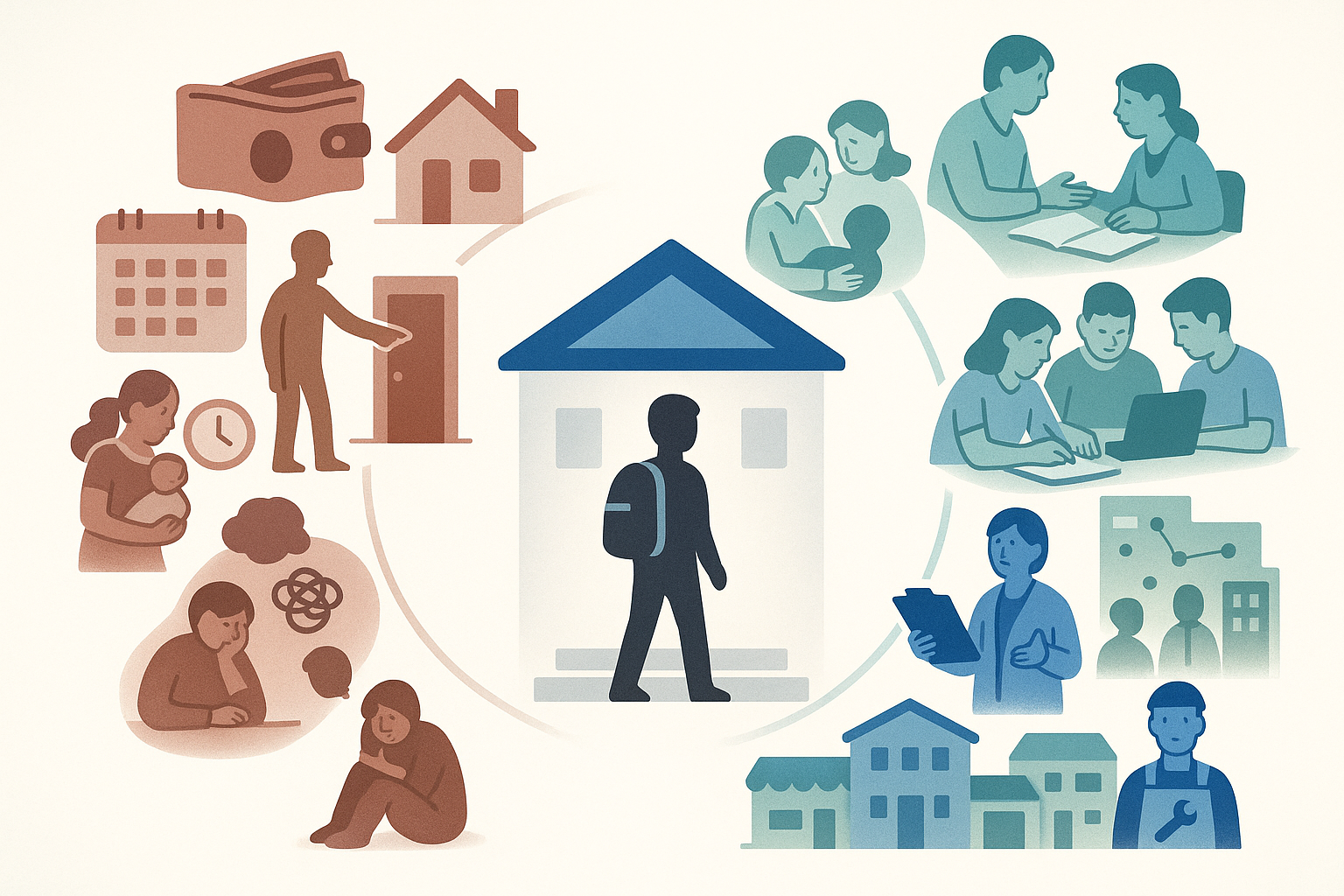
Students drop out of high school due to complex combinations of academic challenges, family responsibilities, economic pressures, and social challenges. Both academic and non-academic risk factors contribute significantly to early high school dropout decisions.
Academic Struggles and Behavioral Policies
Low academic achievement scores, grade retention, and chronic absenteeism strongly predict dropout likelihood among struggling high school students. Zero tolerance policies disproportionately push out students facing disciplinary actions, particularly those with special education needs or behavioral challenges. Suspension and expulsion rates correlate directly with higher dropout rate increases. Schools emphasizing punishment over support lose more students than those prioritizing intervention and relationship-building approaches.
Demographic Differences and Socioeconomic Disparities
Race, ethnicity, and socioeconomic status significantly influence school dropout risks across American schools. Structural inequalities create conditions where certain populations face substantially higher likelihood to drop out of school early.
Racial, Ethnic, and Income-Based Gaps
Black students and Hispanic students drop out at rates nearly double those of white students nationally. Native American communities experience the highest dropout rates, exceeding twenty percentage in some regions. Family income remains the strongest predictor, with students from low income families five times more likely to drop out. Parental education levels and neighborhood resources compound these disparities, creating cycles of educational disadvantage across generations.
Consequences of Dropping Out
School dropout generates severe long-term ramifications affecting individuals, families, and entire communities through reduced economic opportunities, compromised health outcomes, and diminished social mobility prospects.
Economic, Social, and Personal Outcomes
High school dropout individuals earn approximately one million dollars less over their life compared to high school graduate earners. Unemployment rates for those who drop out exceed twice the national average during economic downturns. School dropout cases face seventy percent higher incarceration risks and experience significantly higher rates of chronic health conditions. These individuals struggle with housing instability, food insecurity, and limited healthcare access throughout life.
Prevention Strategies and Early Intervention
Schools and districts implement various methods to maintain engagement among at risk high school students through targeted support systems. Evidence-based practices applied across grade levels demonstrate measurable success in reducing dropout rate statistics.
Engaging School Cultures and Support Systems
Mentorship programs connecting students with caring adults reduce high school dropout rates by thirty percent in participating schools. Tutoring, after-school enrichment, and comprehensive mental health services address academic and emotional needs simultaneously. Strong teacher-student relationships foster belonging and motivation, particularly for students experiencing trauma or instability. Schools prioritizing relationship-building over punitive discipline retain significantly more vulnerable students through graduation.
Recovery Programs, GED, and Second Chances
High school dropout individuals can re-enter education through alternative pathways including adult education centers and online programs. Flexible learning models accommodate work schedules and family responsibilities that prevented initial high school completion.
Conclusion and Key Takeaways
The high school dropout crisis in the United States represents one of our most pressing educational challenges, affecting approximately one million students annually who drop out without earning a regular diploma. This comprehensive examination has revealed the multifaceted nature of the school dropout problem, from varying definitions and measurement approaches to the complex web of causes and devastating consequences that follow students throughout life. Understanding these dimensions is essential for developing effective solutions that can break cycles of educational disadvantage and create pathways to success for all students.
Current education statistics demonstrate both progress and persistent challenges in addressing high school dropout rates. While national dropout rates have declined from fifteen percent in the 1970s to approximately five percent today, this improvement masks significant disparities across regions, demographics, and socioeconomic groups. Urban centers with concentrated poverty, rural communities with limited resources, and areas serving predominantly minority populations continue experiencing dropout rates that exceed national averages by substantial margins. The COVID-19 pandemic has further complicated these trends, reversing years of progress in many districts as students faced unprecedented disruptions to their education.
The root causes driving students to drop out of high school extend far beyond simple academic achievement failure. Academic struggles certainly play a crucial role, with low achievement, grade retention, and chronic absenteeism serving as powerful predictors of dropout risk. However, non-academic risk factors often prove equally influential. Family responsibilities, economic pressures requiring students to work, pregnancy and parenting obligations, mental health challenges, and experiences of trauma all contribute to dropout decisions. School disciplinary tolerance policies, particularly zero tolerance policies that rely heavily on suspension and expulsion, push out vulnerable students who might otherwise persist with appropriate support. The intersection of these risk factors creates perfect storms that overwhelm students’ capacity to remain engaged in their education.
Demographic analysis reveals troubling disparities that reflect broader societal inequalities. African American students and Hispanic students drop out at nearly twice the rate of white students, while Native American communities face even higher dropout rates exceeding twenty percent in some regions. Asian students typically show lower dropout rates. These racial and ethnic gaps intersect with socioeconomic status factors, as students from low-income families are five times more likely to drop out than their affluent peers. Parental education levels, neighborhood resources, school funding disparities, and systemic barriers compound these disadvantages, creating intergenerational cycles that prove difficult to break without comprehensive intervention.
The consequences of school dropout extend far beyond missed educational opportunities, affecting virtually every aspect of individuals’ lives while imposing substantial costs on society. Economically, high school dropout individuals earn approximately one million dollars less over their lifetimes compared to those who graduate, face unemployment rates double the national average, and struggle with financial instability throughout life. Health outcomes suffer dramatically, with dropouts experiencing higher rates of chronic diseases, mental health problems, and premature mortality. Social consequences include increased likelihood of incarceration, with dropouts comprising nearly seventy percent of the prison population, and reduced civic engagement that weakens democratic participation. These individual hardships translate into broader societal costs through increased demands on social services, healthcare systems, and criminal justice resources while reducing tax revenue and economic productivity.
Prevention strategies that have demonstrated success focus on early identification and comprehensive support for at risk students. Effective approaches begin in elementary school, identifying warning signs such as poor attendance, behavioral problems, and academic challenges that predict future dropout risk. Middle school interventions become particularly crucial as students navigate the challenging transition to more demanding academic expectations and complex social dynamics. Successful prevention programs share common elements including personalized attention through smaller learning communities, mentorship programs connecting students with caring adults, academic support through tutoring and remediation, and wraparound services addressing non-academic barriers to success.
School culture and climate play pivotal roles in retention efforts. Schools that prioritize relationship-building over punitive discipline, create inclusive environments where all students feel valued, and maintain high expectations while providing necessary support see significantly better outcomes. Teacher-student relationships emerge as particularly influential, with students consistently citing positive connections with educators as key factors in their decisions to persist despite challenges. Teacher training that equips teachers with trauma-informed practices, culturally competent practices, and strategies for engaging struggling learners proves essential for creating these supportive environments.
Early warning systems utilizing data analytics help schools identify students showing initial signs of disengagement before they reach crisis points. These systems track indicators including attendance patterns, course failures, behavioral incidents, and test scores to flag students needing intervention. When coupled with coordinated response teams that develop individualized support plans, these systems can reduce dropout rates by twenty to thirty percent. Success requires not just identifying at risk students but also having resources and programs ready to provide meaningful assistance.
Community partnerships amplify school-based efforts by addressing factors beyond educators’ direct control. Collaborations with social service agencies, healthcare providers, juvenile justice systems, and workforce development programs create comprehensive support networks. Business partnerships providing internships, job shadowing, and career exploration help students see connections between education and future opportunities. Faith-based organizations, youth development programs, and cultural institutions offer additional touchpoints that keep students engaged during critical periods. America’s Promise Alliance exemplifies how national organizations mobilize communities around dropout prevention.
For those who have already left school, recovery programs offer second chances through alternative pathways to credentials. GED programs, while valuable, represent just one option among many. Adult education centers, career and technical education programs, and competency-based models that award credit for work experience provide flexible alternatives that accommodate the complex lives of returning students. Online and hybrid learning options have expanded access, particularly for rural students and those balancing work and family responsibilities. These programs work best when they combine academic instruction with career preparation, life skills development, and support services addressing barriers that contributed to initial dropout.
Successful recovery programs recognize that returning students face unique challenges requiring different approaches than traditional high school settings. Accelerated learning models that allow students to progress at their own pace, evening and weekend scheduling options, childcare services, and transportation assistance remove practical barriers. Equally important is creating supportive environments that avoid stigma and build confidence among students who may have internalized feelings of failure. Peer support groups, success coaching, and connections to post-secondary opportunities help returning students envision and achieve goals beyond credential completion. See our diploma program for adult students.
Policy implications emerging from dropout research point toward systemic changes needed at local, state, and federal levels. Raising compulsory attendance ages, while controversial, has shown positive effects in states that couple higher graduation requirements with support services. Reforming disciplinary tolerance policies to emphasize restorative rather than punitive approaches keeps more students engaged. Increasing school funding, particularly for high-poverty districts, provides resources necessary for comprehensive intervention programs. Expanding access to pre-K education, after-school programs, and summer learning opportunities addresses achievement gaps before they become insurmountable.
Federal initiatives like the Every Student Succeeds Act have placed greater emphasis on graduation rates as accountability measures, incentivizing schools to focus on dropout prevention. However, critics argue that pressure to improve graduation statistics sometimes leads to lowering standards rather than genuinely supporting struggling students. Balancing accountability with authentic support remains an ongoing challenge requiring careful policy design and implementation oversight. Investment in research identifying effective practices and scaling proven interventions could yield substantial returns through reduced social costs and increased economic productivity.
Technology offers promising avenues for both prevention and recovery efforts. Digital learning platforms provide personalized instruction that adapts to individual student needs, potentially keeping struggling learners engaged. Early warning systems powered by artificial intelligence can identify at risk students with greater accuracy and speed. Virtual mentoring programs connect students with supporters regardless of geographic constraints. However, the digital divide affecting low-income students must be addressed to ensure technology reduces rather than exacerbates educational inequalities.
The role of families in dropout prevention cannot be overstated. Parental involvement correlates strongly with student persistence, yet many families facing economic stress, language barriers, or their own negative educational experiences struggle to provide parental support. Successful programs recognize families as partners rather than problems, offering parent education, family literacy programs, and culturally responsive outreach. Home visiting programs, family resource centers located in schools, and flexible communication methods help bridge gaps between home and school environments.
Mental health emerges as an increasingly recognized factor in dropout prevention. Anxiety, depression, trauma, and other mental health challenges significantly impact students’ ability to engage in learning. Schools implementing comprehensive mental health services, including screening, counseling, and referral systems, see improvements in both academic outcomes and graduation rates. Training educators to recognize mental health warning signs and respond appropriately creates additional safety nets for vulnerable students. Partnerships with community mental health providers expand capacity beyond what schools can provide independently.
Looking forward, addressing the high school dropout crisis requires sustained commitment from multiple stakeholders working in coordination. Educators must continue developing innovative approaches that meet diverse student needs while maintaining high standards. Policymakers need to provide adequate funding and create regulatory frameworks that support rather than hinder dropout prevention efforts. Communities must recognize dropout prevention as a shared responsibility affecting everyone’s future prosperity. Employers can contribute by offering apprenticeships, internships, and clear pathways demonstrating education’s value for career success.
The economic argument for investing in dropout prevention proves compelling when considering costs and benefits. Every student who graduates rather than dropping out generates approximately $260,000 in increased tax revenues and reduced social service costs over their lifetime. Preventing just one class of dropouts would save the nation billions in reduced crime costs, healthcare expenditures, and welfare payments while generating substantial economic growth through increased productivity and consumer spending. These returns far exceed investments required for comprehensive prevention programs, making dropout prevention one of the most cost-effective educational interventions available.
International comparisons provide both sobering context and hopeful examples. While the United States has made progress, it continues lagging behind many developed nations in graduation rates. Countries like Finland, South Korea, and Canada achieve graduation rates exceeding ninety percent through different approaches that might offer lessons for American educators. Common elements among high-performing nations include comprehensive social support systems, professional respect for teachers, and educational philosophies emphasizing equity alongside excellence. Adapting successful international practices to American contexts requires careful consideration of cultural differences but could yield valuable insights.
The dropout crisis intersects with other pressing social issues including poverty, racial justice, healthcare access, and economic inequality. Comprehensive solutions must therefore address these interconnected challenges rather than treating dropout as an isolated educational problem. This recognition has led to growing interest in collective impact approaches that coordinate efforts across sectors. Cities implementing cradle-to-career initiatives that align services from birth through workforce entry show promising results in improving graduation rates while addressing broader community needs.
Student voice remains critically underutilized in dropout prevention efforts. Those who have left school or struggled to stay engaged possess invaluable insights about what might have made a difference. Successful programs increasingly incorporate student feedback in design and implementation, creating peer support networks where young people help each other navigate challenges. Youth development initiatives, student advisory councils, and peer mentoring programs empower students as agents of change rather than passive recipients of services.
Cultural competence in dropout prevention recognizes that different communities face distinct challenges requiring tailored approaches. Programs serving immigrant populations must address language barriers, documentation concerns, and cultural adjustment challenges. Native American communities benefit from incorporating traditional knowledge and culturally relevant curriculum. Rural areas need strategies accounting for geographic isolation and limited resources. Urban programs must navigate concentrated poverty, violence, and competing demands on students’ time and attention. One-size-fits-all approaches consistently fail to achieve equitable outcomes across diverse populations.
The importance of early childhood education in preventing future dropouts cannot be overlooked. Children entering kindergarten already behind their peers face uphill battles throughout their educational careers. Quality pre-K programs, particularly for disadvantaged children, demonstrate long-term benefits including increased graduation rates. Investments in early childhood education yield some of the highest returns of any educational intervention, yet access remains limited for many families who could benefit most. Expanding universal pre-K represents a crucial long-term strategy for reducing dropout rates.
Career and technical education offers alternative pathways that keep practically-oriented students engaged while preparing them for immediate workforce entry. Programs combining academic instruction with hands-on learning in fields like healthcare, information technology, and skilled trades provide relevance often missing from traditional curricula. Dual enrollment opportunities allowing students to earn college credit while in high school create momentum toward post-secondary success. These programs work best when aligned with regional labor market needs and developed in partnership with local employers.
The national center for education statistics reports that dropout factories—high schools where fewer than sixty percent of ninth grade students graduate within four years—continue to plague many communities. These dropout factories disproportionately serve African Americans and other minority populations. When a guidance counselor told struggling students about alternative pathways, completion rates improved significantly. Another guidance counselor reported that early intervention in elementary school prevented later dropout. The department of education sciences emphasizes that good education requires addressing both academic achievement and social-emotional needs.
Research from American Psychologist journal demonstrates that tolerance policies effective at maintaining order must balance discipline with support. The department of labor statistics shows that those without a high school diploma face limited employment options. Education Week reports highlight successful programs where teachers receive specialized training to identify at risk students early. When parents actively participate in their children’s education, grades improve and dropout likelihood decreases. Students who complete high school earn significantly more over their lifetime than those who drop out, with college education further amplifying earnings potential.
Evidence from an evidentiary review conducted by education researchers confirms that white students from middle-class backgrounds receive more support at the individual level compared to their peers. African American students often attend schools with fewer resources and less experienced teachers. The status dropout rate measures the percentage of individuals not enrolled in school and lacking a high school credential. The event dropout rate captures students leaving during a specific time period. Both metrics reveal persistent disparities requiring targeted interventions.
Programs where kids receive individualized attention show better outcomes. When students feel their teachers care about them personally, they’re more likely to graduate. Those who drop out often report feeling disconnected from school culture. Creating smaller learning communities within larger schools helps maintain personal connections. Students who participate in extracurricular activities drop out less frequently. Schools implementing restorative justice practices instead of zero tolerance policies see improved retention.
The department recognizes that addressing dropout requires multi-faceted approaches. Students need academic support, emotional guidance, and practical assistance. When schools partner with community organizations, more resources become available. Mentorship programs where adults commit to supporting individual students show particular promise. Career exploration helps students understand why education matters for their future. Work-based learning opportunities demonstrate practical applications of classroom knowledge.
Research indicates that students who fail courses in ninth grade face elevated dropout risk. Early warning systems tracking attendance, behavior, and course performance identify struggling students before they reach crisis points. Intervention teams develop personalized plans addressing each student’s specific challenges. Summer bridge programs help students transition successfully between grades. Credit recovery options allow students to make up failed courses without repeating entire years.
In conclusion, the high school dropout crisis demands urgent, sustained, and comprehensive action from all sectors of society. While progress has been made, unacceptable disparities persist, and too many young people still leave school without the credentials necessary for success in modern society. The path forward requires acknowledging the complexity of factors driving dropout decisions, implementing evidence-based prevention strategies, providing meaningful second chances for those who have left, and addressing systemic inequalities that create differential risks. Success will be measured not just in overall graduation rates but in closing gaps that currently condemn certain populations to disproportionate educational failure. Every student who graduates rather than dropping out represents not just an individual success but a collective victory that strengthens communities, economies, and democracy itself. The challenge is substantial, but the stakes are too high and the potential rewards too great to accept anything less than transformative change in how we support all students toward graduation and beyond. When students receive the support they need and schools implement proven strategies, more young people complete their education and achieve their potential. The investment society makes in preventing dropout today will be paid back many times over through increased productivity, reduced social costs, and stronger communities for generations to come.
