








Online High School for Adults Over 21
Completing high school after age twenty-one opens doors to career advancement and personal fulfillment through flexible accredited online high school diploma programs designed for adult learners. These programs offer transformative benefits including enhanced earning potential improved job stability and pathways to college while accommodating work schedules family responsibilities and individual learning preferences.
Understanding the Importance of a High School Diploma for Adults Over 21
A high school diploma remains essential for breaking income barriers securing stable employment and overcoming societal misconceptions about adult high school education.
Key Reasons Adults Return to High School
Adults pursue high school diplomas primarily for increased earning potential averaging fifteen-thousand dollars more annually than non-high school graduates while gaining personal satisfaction setting positive examples for children and meeting requirements for workplace promotions or college enrollment.
Earning Potential and Career Growth
High school diploma holders earn approximately nine-hundred dollars more monthly than non-graduates opening doors to management positions skilled trades and professional careers while gaining flexibility to transition between industries and qualify for employer-sponsored training programs advancing career goals.
Boosting Confidence and Personal Fulfillment
Completing high school delivers profound emotional rewards including renewed self-esteem from achieving long-delayed educational and career goals increased confidence in professional settings and satisfaction inspiring family members peers future generations through demonstrated perseverance and commitment.

The Flexibility of Online High School Learning
Online high school education eliminates commute barriers offering personalized scheduling through self-paced learning or instructor-led formats accommodating adult responsibilities.
Study on Your Own Schedule
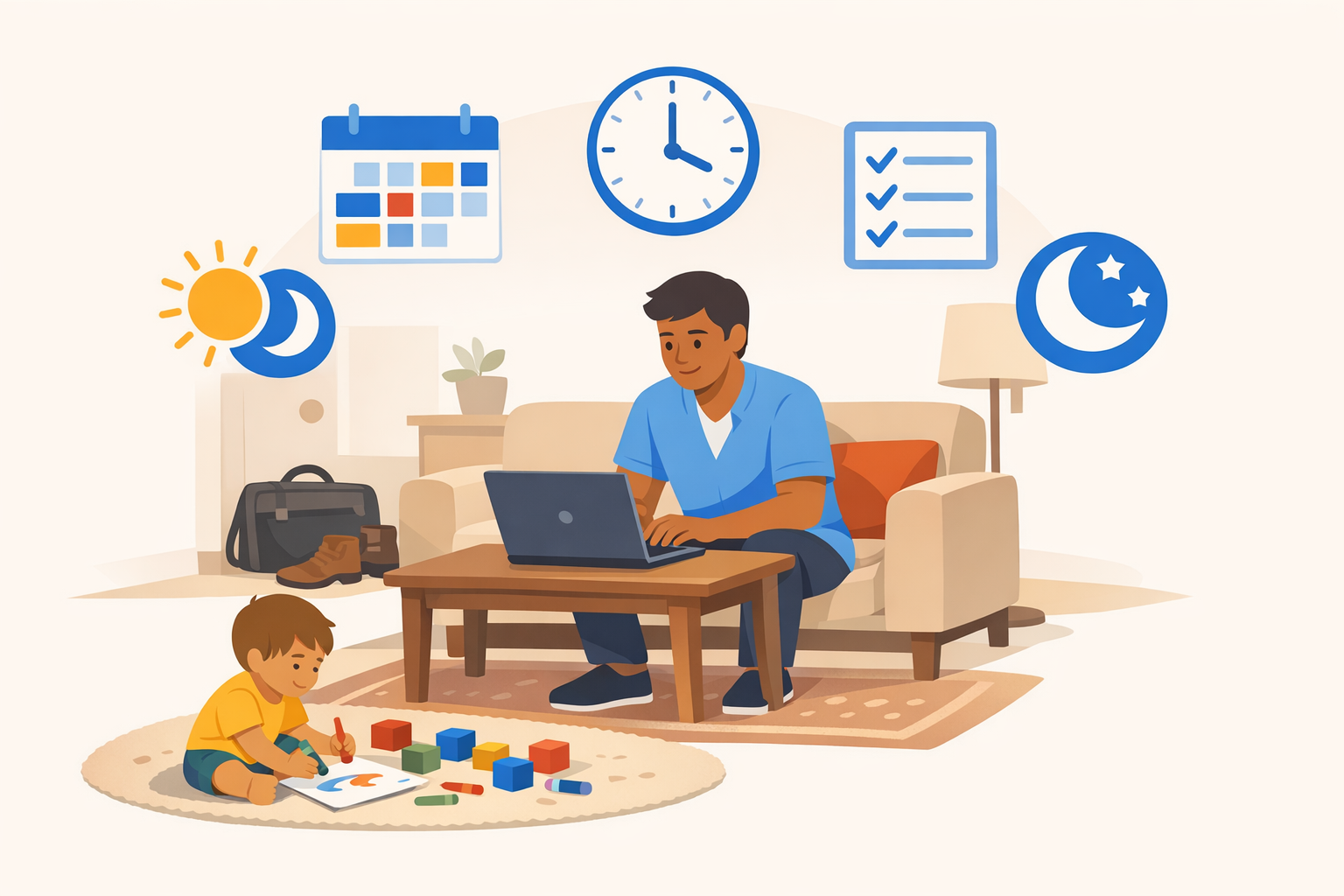
Busy adult learners successfully balance shift work childcare and education utilizing virtual dashboards for progress tracking studying during breaks evenings employing time-management strategies like dedicated study schedules fitting around existing commitments and responsibilities.
Balancing Work, Family, and High School Education
Successful adult learners carve consistent study periods setting clear boundaries with family minimizing distractions through designated spaces leveraging support from spouses friends online peer groups understanding their high school diploma journey.
Self-Paced vs. Structured High School Courses
Self-paced learning programs offer maximum flexibility for irregular schedules while structured courses provide accountability through fixed deadlines with most adults completing high school diplomas within twelve to eighteen months depending on chosen format personal discipline levels.
Accreditation Matters
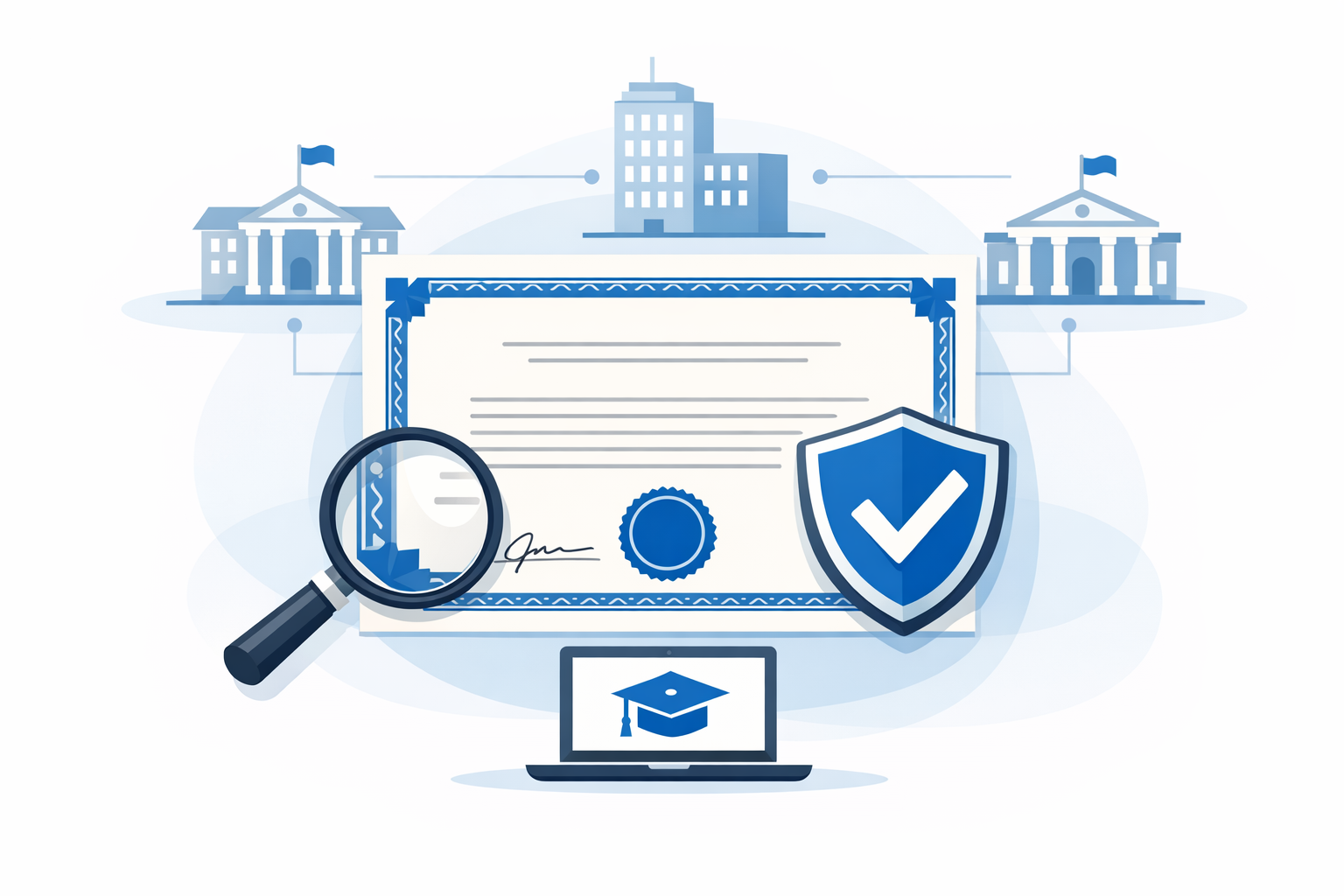
Choosing properly accredited school ensures credit transferability employer recognition and legitimate credentials verified through recognized regional or nationally accredited bodies including distance education accrediting commission.
Types of Accreditation to Look For
Regional accreditation from agencies like Cognia SACS MSA provides highest recognition while nationally accredited options offer alternative pathways so verify school accreditation status through official databases before enrolling ensuring your high school diploma meets educational employment standards nationwide.
GED vs. Accredited High School Diploma
Accredited high school diplomas receive broader acceptance from colleges employers compared to GED certificates facing persistent misconceptions about equivalency leading many adults pursuing full diplomas for better opportunities enhanced credibility smoother transitions into college specialized career training programs.
Ensuring Employers Recognize Your Credentials
Confirm your chosen high school diploma program meets HR screening requirements researching employer policies checking eligibility for tuition assistance verifying that your accredited diploma qualifies for promotions military service professional licensing ensuring investment translates into tangible career advancement opportunities.
Program Costs and Affordability
Online high school programs offer various pricing models including monthly payments pay-per-course options financial assistance opportunities making diplomas accessible.
Monthly Payment Plans
Most high school diploma programs charge between one-hundred to three-hundred dollars monthly with flexibility pausing during financial hardship accelerating payments when possible comparing total costs across different institutions finding affordable options.
Discounts, Scholarships, or State Vouchers
Many states offer free reduced-cost adult high school education through workforce development initiatives while local community grants employer reimbursements need-based scholarships significantly reduce eliminate tuition costs for qualifying adult learners.
Comparing Cost vs. Value
Accredited high school diplomas typically pay themselves within two years through increased post graduation salary while hidden fees for materials exams technology should factor into total investment calculations evaluating long-term financial benefits.

Choosing the Right High School Curriculum Track
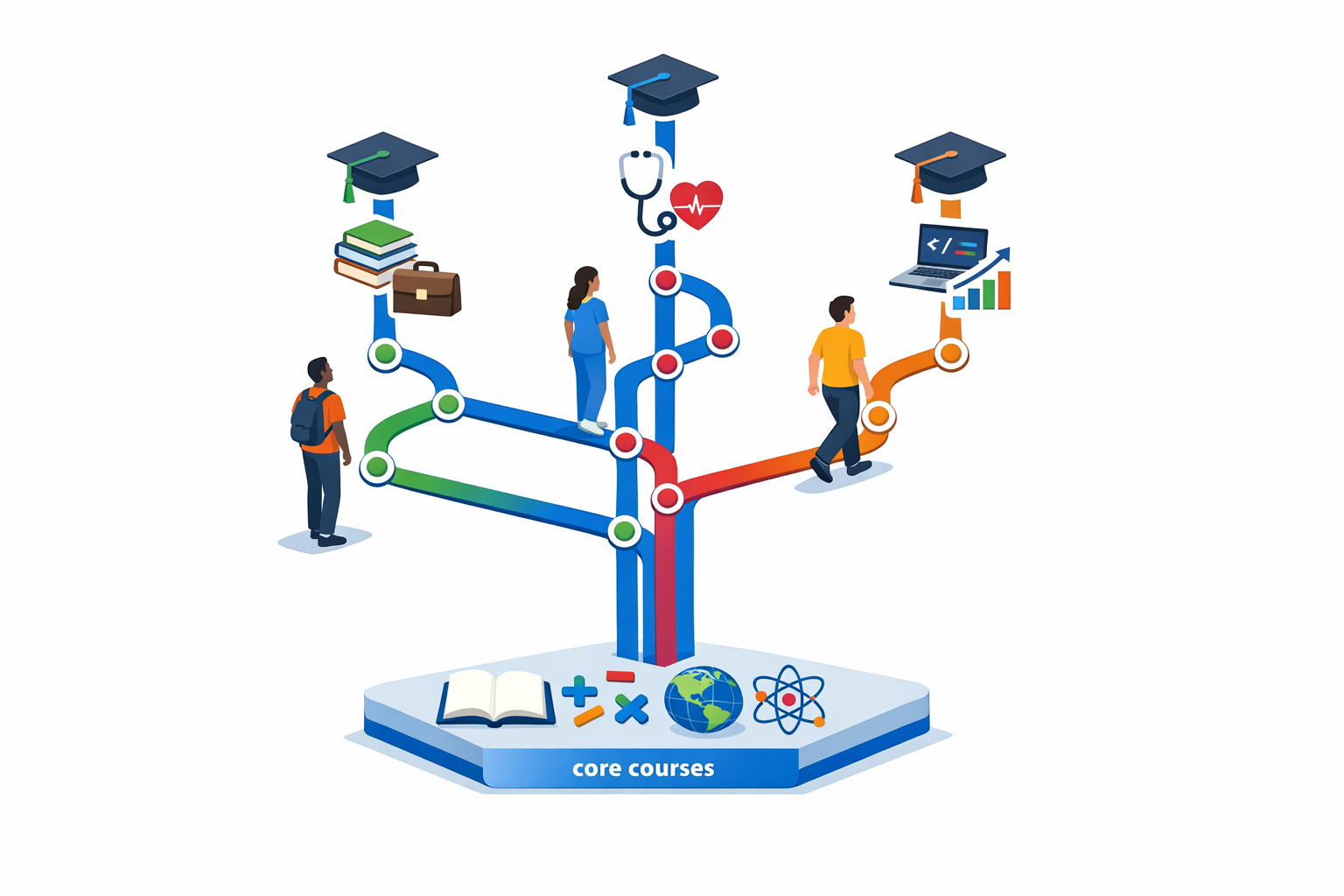
Select from general college-prep or career-focused tracks aligning with professional goals incorporating elective courses specialized pathways enhancing learning outcomes. See our course catalog for available courses.
General High School Diploma
Standard high school diplomas require core credits mathematics language arts science social studies providing foundational knowledge immediate workforce entry skill refreshment meeting basic requirements most entry-level positions trade programs.
Career-Focused Pathways
Specialized tracks healthcare business technology combine high school diploma requirements with industry-specific skills potential certifications preparing graduates immediate employment high-demand fields building practical competencies aligned current market needs.
Transferring Credits and Prior Learning
Save time transferring previously earned high school credits documenting work experience for elective courses demonstrating prior knowledge through assessment tests allowing faster graduation without repeating mastered content maintaining academic integrity standards.
Admission and Eligibility
Adult enrollment requires basic documentation age verification transcript evaluation with accommodations available special learning needs language requirements no age limit restrictions.
Age Requirements and Minimum Education
Programs typically accept students over twenty-one though some allow enrollment eighteen nineteen with special permissions requiring proof age previous education attempts regardless completion status time elapsed since last school attendance.
Necessary Documentation
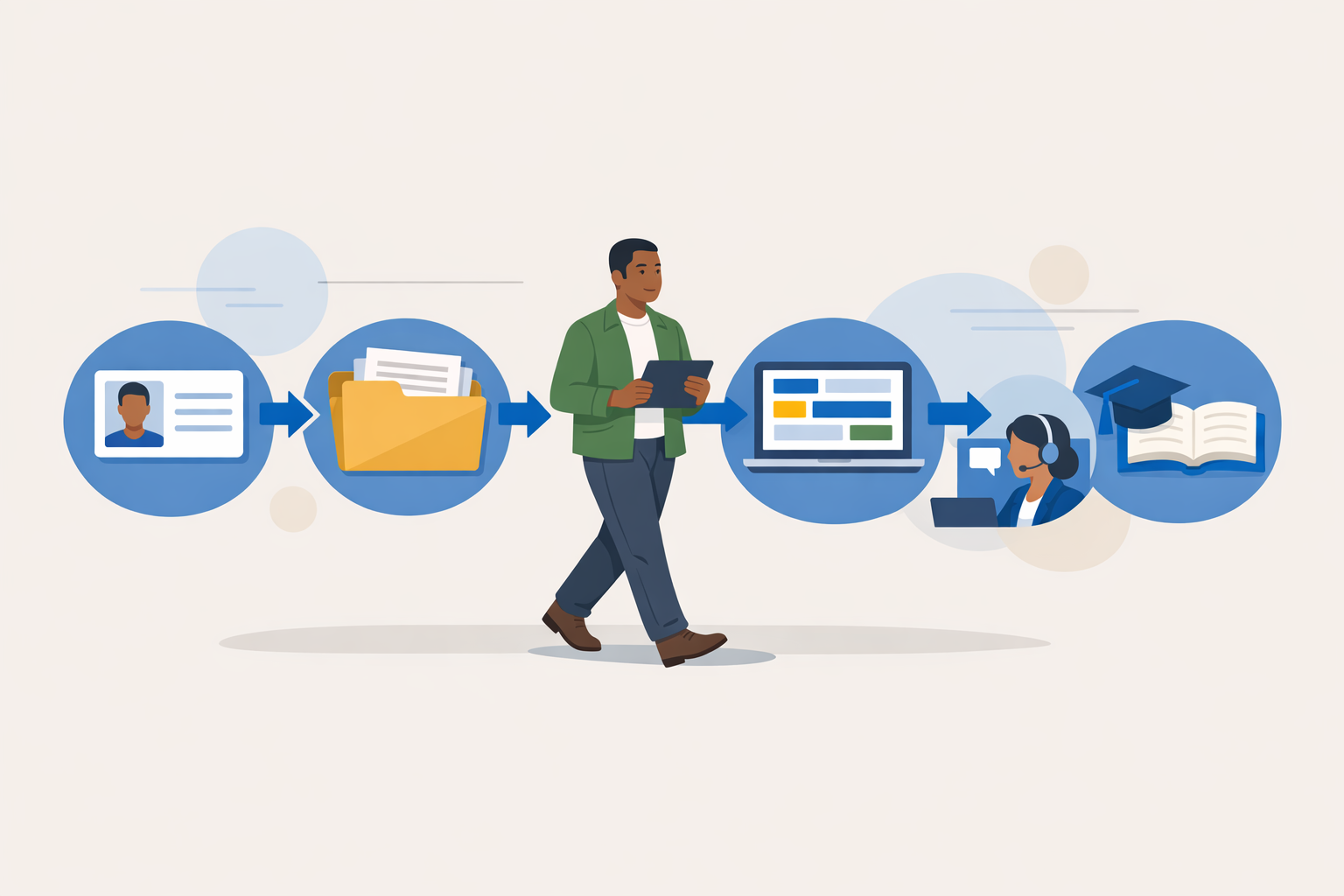
Gather government-issued identification previous transcripts proof residence contacting former schools missing records working enrollment counselors reconstructing educational history through alternative documentation methods when original records unavailable incomplete.
Enrollment Steps
Complete online applications submit required documents participate orientation sessions understanding start dates pacing options academic policies governing your educational journey from enrollment through graduation ensuring smooth transitions into first course.
Key Support Services
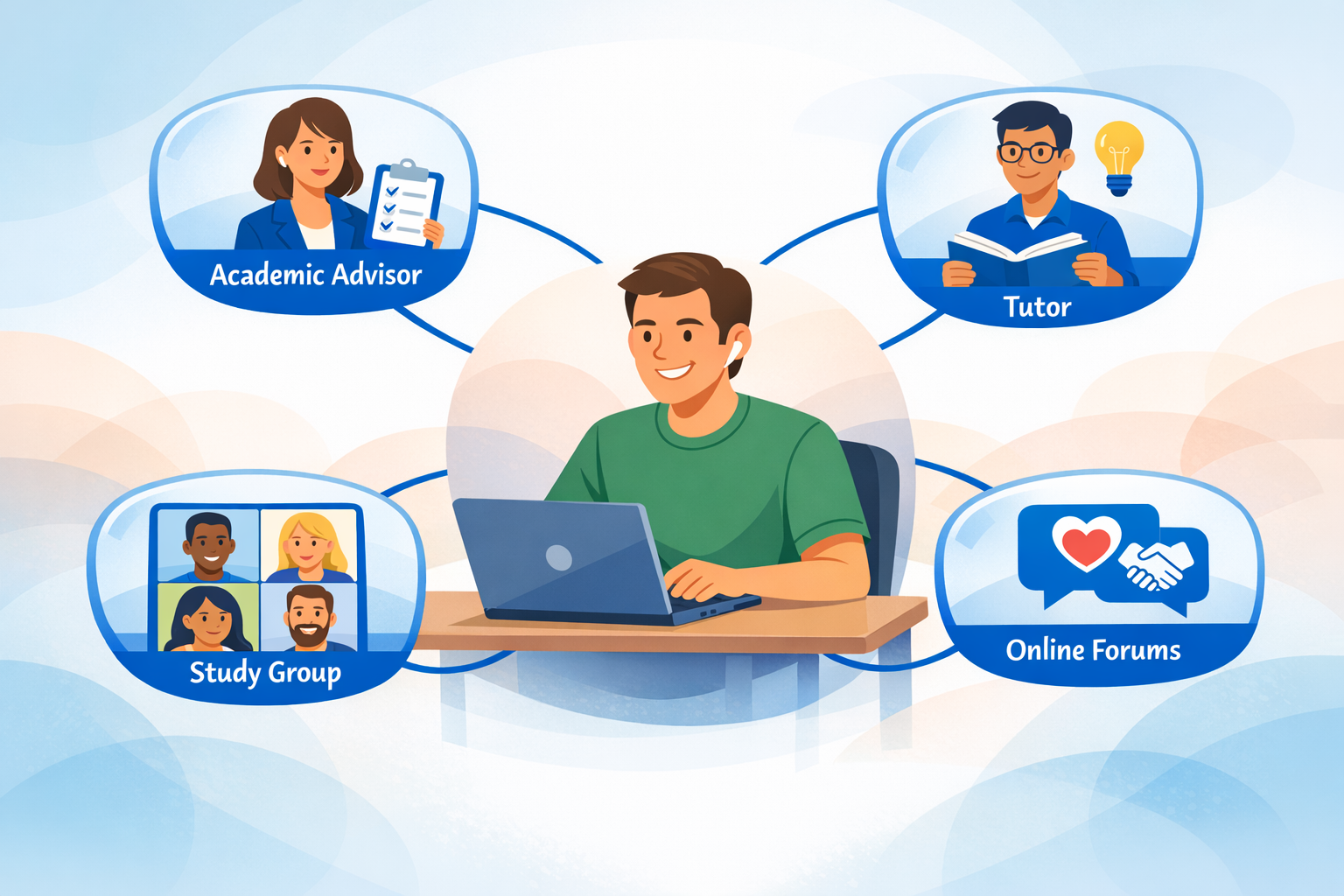
Comprehensive support through academic advisors tutors peer communities ensures academic success emotional well-being throughout learning journey.
Academic Advisors and Enrollment Counselors
Dedicated academic advisors provide personalized planning monitor progress toward graduation offer direct communication channels addressing challenges quickly ensuring students stay organized on track navigating course selection scheduling conflicts graduation requirements effectively.
Instructor-Led Tutorials and Office Hours
Access real-time help through virtual office hours scheduled Q&A sessions recorded lectures clarifying difficult concepts providing additional practice opportunities allowing flexible review challenging material whenever understanding gaps arise during independent study with supportive instructors.
Peer Communities and Online Forums
Connect with fellow busy adult learners through discussion boards social media groups virtual study sessions fostering camaraderie sharing practical strategies creating lasting professional networks extending beyond graduation into career development opportunities.
Time to Completion
Programs range from six-month accelerated tracks to standard twelve-to-twenty-four month timelines with flexibility personal circumstances learning pace completion date preferences.
Typical Program Length
Standard completion requires eighteen months part-time students twelve months full-time with variations based transfer credits course load individual institution requirements maintaining high quality education standards comprehensive curriculum coverage throughout.
Accelerated Options
Motivated learners with transfer credits documented prior knowledge complete programs six nine months through intensive study compressed course schedules competency-based assessments recognizing existing skills maintaining academic rigor.
Setting Personal Milestones
Break your program into quarterly goals track progress using digital calendars checklists celebrate small victories completing courses maintaining consistent study habits adjusting timelines needed maintaining forward momentum toward graduation completion date.

Technology and Tools for Success
Success requires basic computer internet access familiarity with digital learning platforms facilitating coursework submission communication.
Required Hardware and Software
Minimum requirements include computer updated browser reliable broadband internet access basic software while tablets smartphones provide supplementary access reviewing materials during commutes ensuring secure cloud storage protects completed assignments.
Learning Management Systems (LMS)
Navigate centralized platforms housing course materials assignments grades communication tools utilizing discussion boards announcement features built-in progress trackers providing real-time feedback academic performance upcoming deadlines throughout enrollment.
Utilizing Mobile Apps and Digital Resources
Maximize learning through educational apps Khan Academy digital libraries organization tools calendar apps note-taking software reminder systems keeping materials accessible study sessions productive regardless location time constraints.

Life After Graduation
Graduation opens pathways to college career advancement personal achievement building professional networks celebrating educational accomplishments.
Transitioning to College or Trade School
Accredited high school diplomas ensure smooth credit transfers community colleges universities vocational programs proper preparation placement tests financial aid applications admission requirements positions graduates continued educational success career development.
Enhancing Your Resume or Military Applications
Highlight high school diploma completion prominently professional profiles emphasize dedication perseverance potential employers meet military enlistment requirements craft compelling narratives personal growth resonating with hiring managers recruitment officers alike.
Real Stories of Adult High School Graduates
Successful graduates report life-changing outcomes including promotions salary increases renewed family pride after overcoming challenges learning disabilities financial hardship decades away from formal education proving determination conquers obstacles regardless age giving adults second chance achieve goals.