








Nationally Accredited Online High School Diploma
A nationally accredited online high school diploma represents a legitimate educational credential recognized by colleges, employers, and military branches across the United States. These high school diploma programs combine rigorous academic standards with flexible digital learning platforms, enabling students to earn their high school diploma online remotely. Whether you’re a traditional high school student seeking alternatives or an adult learner returning to complete your high school education, accredited online high school programs provide pathways to graduate that adapt to your unique circumstances and goals.
Understanding Accreditation Basics
Accreditation validates educational quality through independent evaluation agencies ensuring schools meet established academic standards and deliver legitimate high school diplomas recognized nationwide.
Key Accrediting Organizations
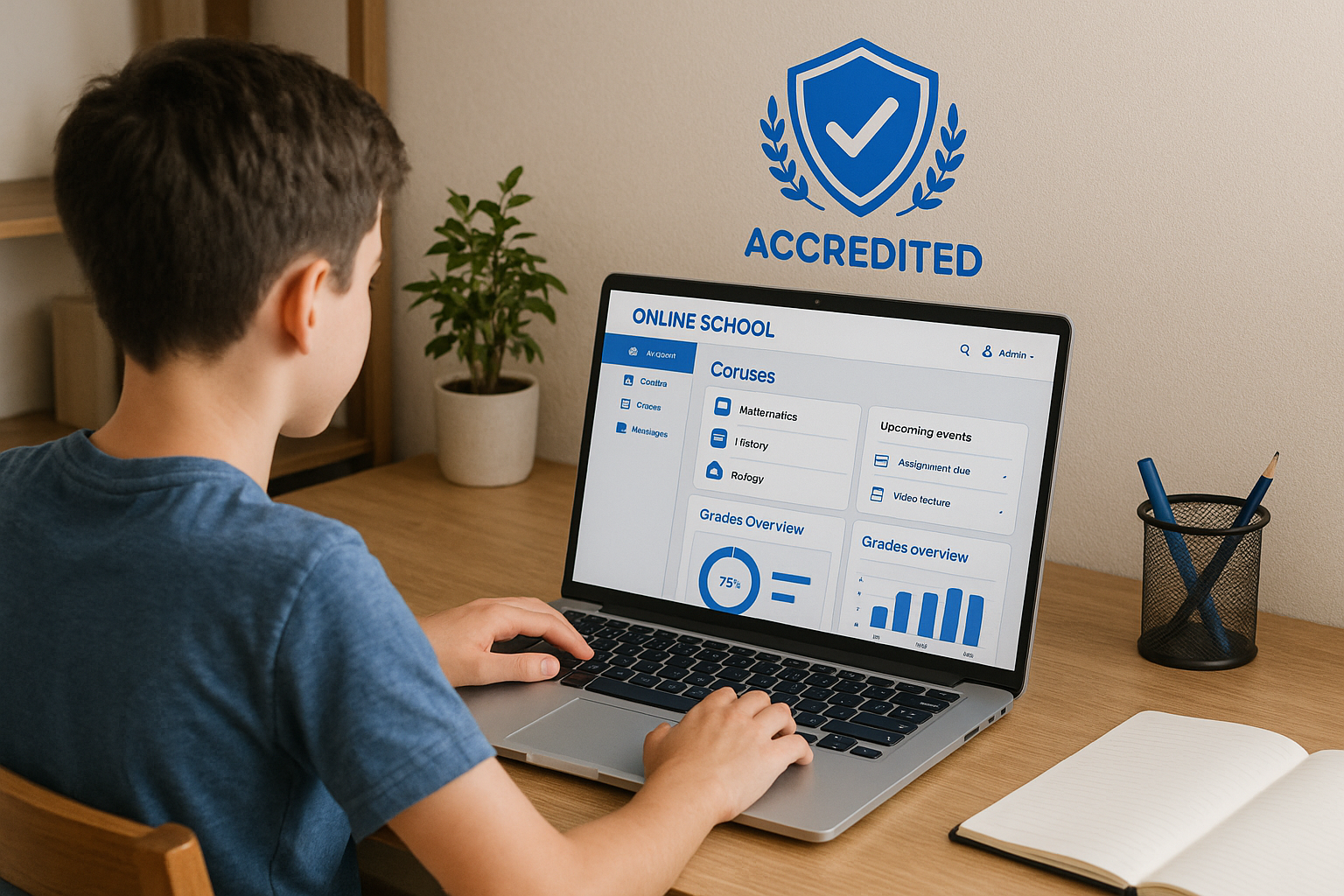
Major accrediting bodies include Cognia, Distance Education Accrediting Commission, and regional agencies like Middle States Association. These organizations conduct thorough reviews of high school curriculum, faculty qualifications, and student outcomes. You can verify any accredited online school’s status through the Department of Education’s database or directly on accreditor websites before you enroll.
How Accreditation Affects Your High School Diploma’s Value
Accredited high school diplomas unlock doors to universities, federal financial aid, military service, and professional careers requiring verified high school completion.
Real-World Consequences of Non-Accredited School Diplomas
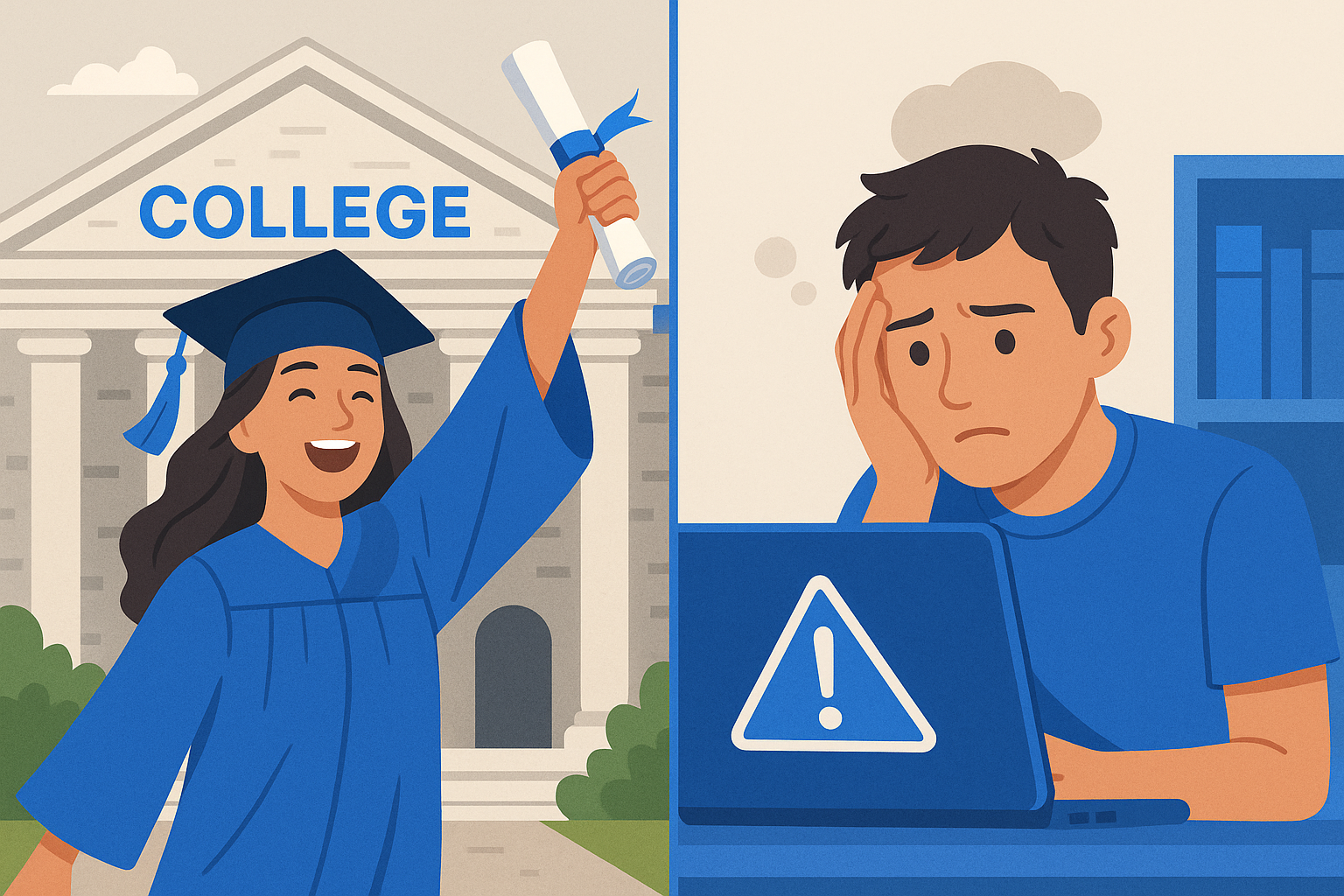
Students with unaccredited school diplomas often face college application rejections and ineligibility for federal student loans. Employers may refuse to recognize these credentials, limiting job opportunities. Military branches typically reject non-accredited high school diplomas, blocking enlistment paths and educational benefits requiring Tier 1 status.
Who Benefits from Online High School Programs
Online high school programs serve teenagers, homeschoolers, working adult learners, parents, international high school students, and individuals with health conditions requiring flexible educational solutions.
Traditional vs. Non-Traditional High School Students
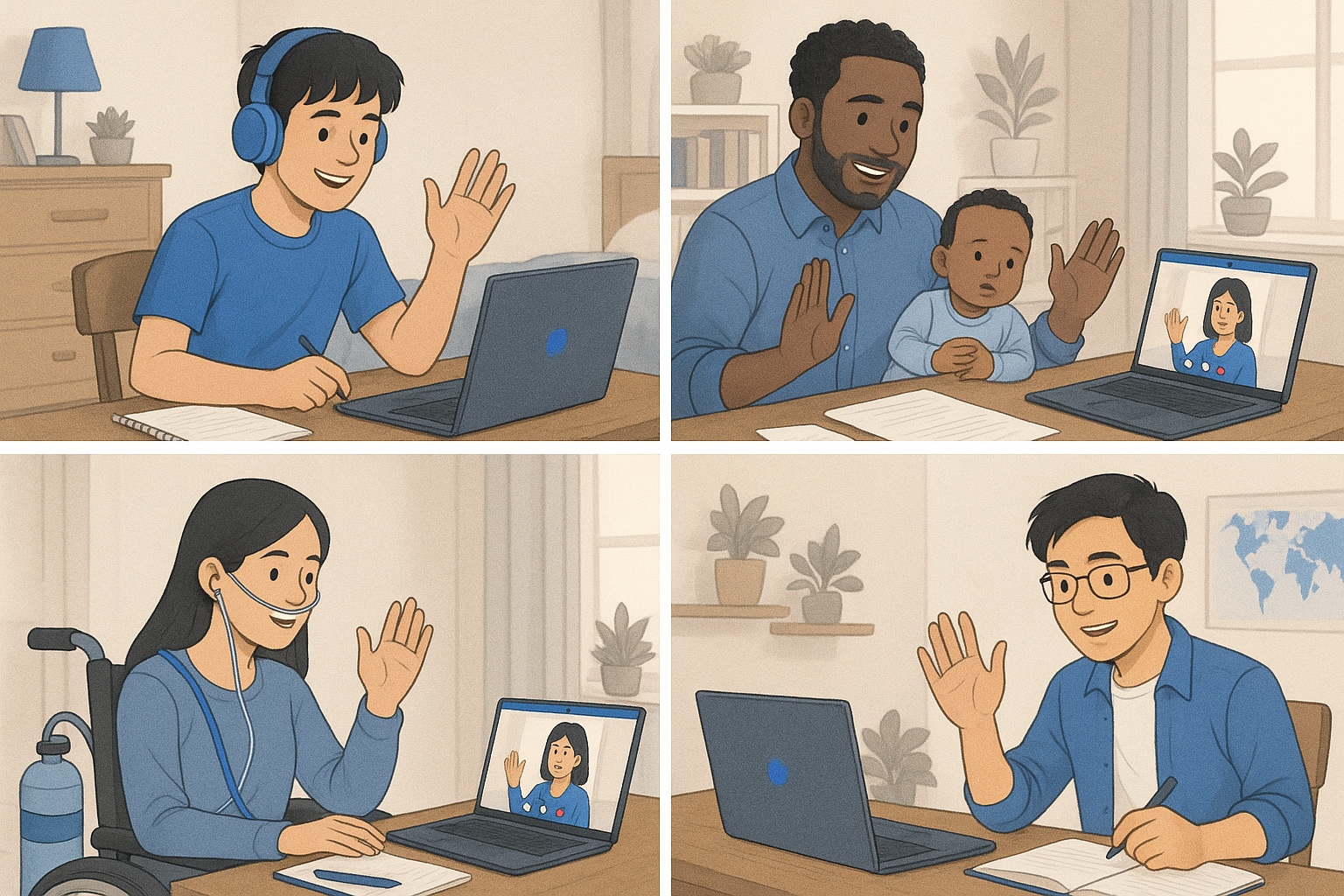
Traditional high school students aged fourteen to eighteen may choose online high school for advanced courses or scheduling flexibility. Non-traditional learners include adults balancing work and family, parents completing interrupted high school education, or individuals with medical conditions requiring homebound instruction. Each group benefits from customized pace and support.
Key Advantages of Online High School Education
Online high school eliminates geographic barriers, offers personalized pace, provides twenty-four-hour course access, and accommodates diverse learning styles effectively.
Balancing High School with Life Commitments
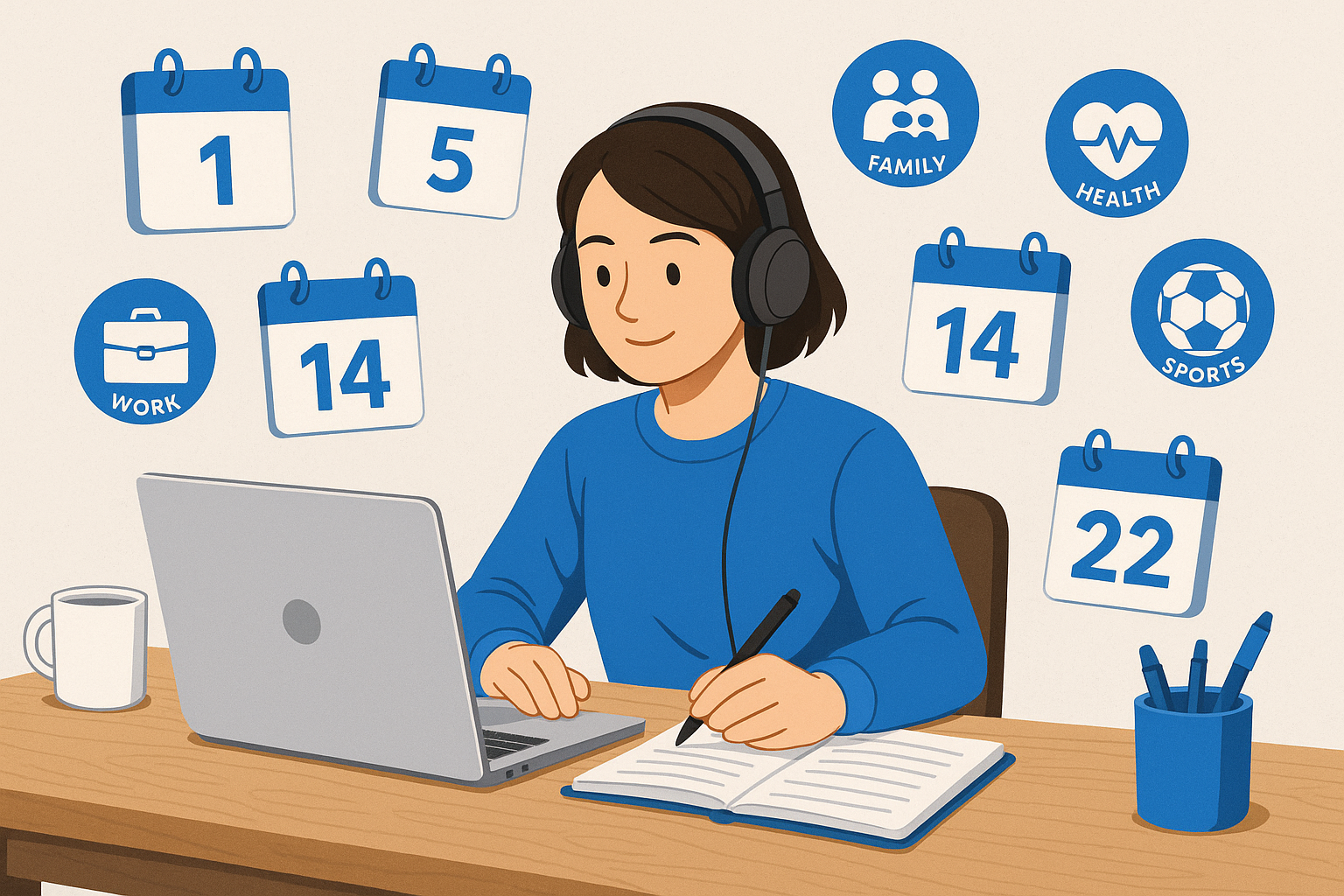
Students complete coursework around work schedules, family responsibilities, athletic training, or medical treatments. Parents study after children sleep, employees learn during lunch breaks, and athletes train without missing high school classes. This flexibility makes earning your high school diploma achievable for previously unable learners.
Course Structure and High School Curriculum Overview
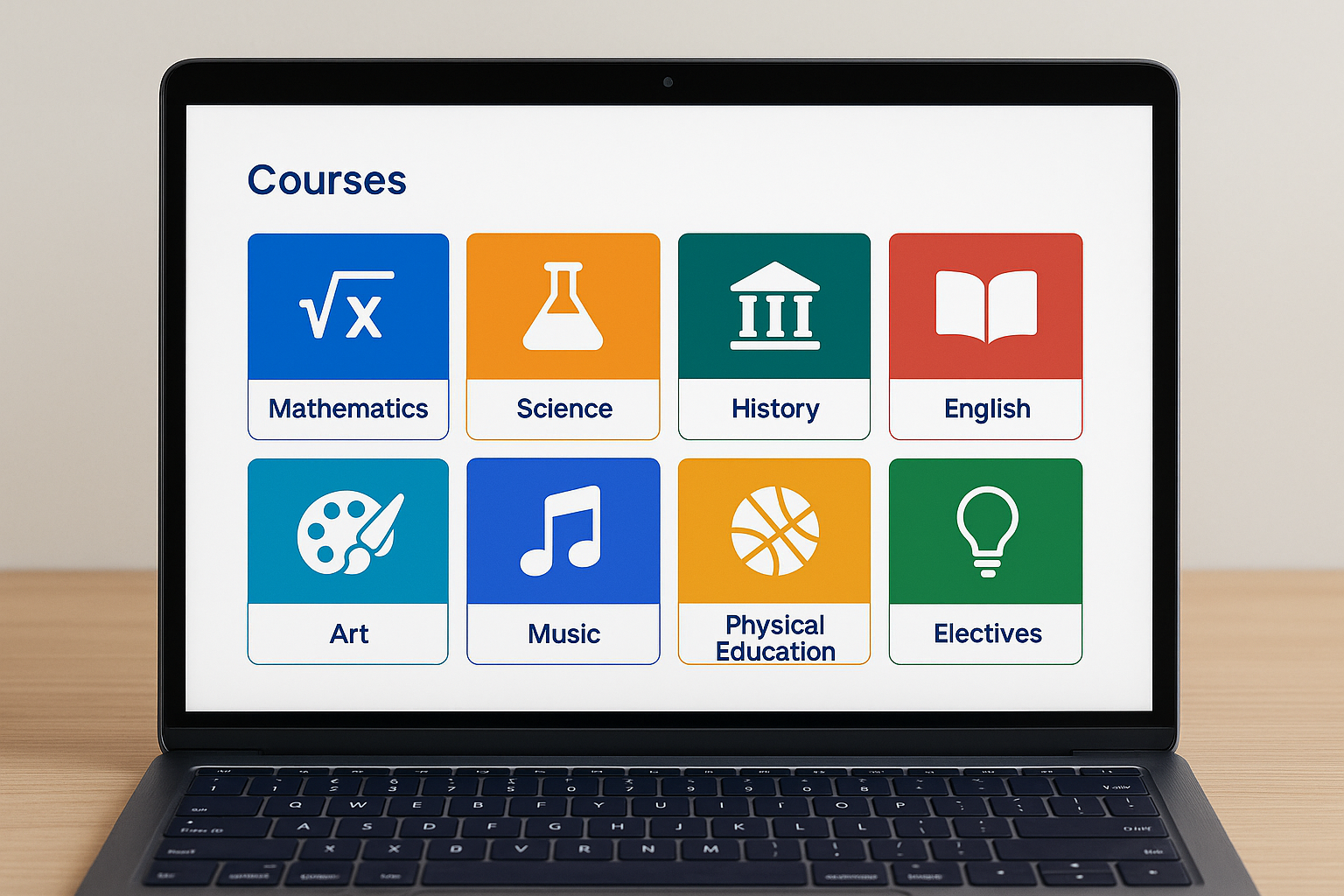
Accredited online high schools offer comprehensive curriculum including math, science, English language arts, social studies, and foreign languages aligned with national standards. See our course catalog for options.
Electives and Career-Focused Pathways
High school students explore specialized tracks in business management, healthcare foundations, computer programming, graphic design, or culinary arts. These electives provide practical skills, industry knowledge, and career exploration opportunities. Many high school programs offer certifications alongside diplomas, giving graduates competitive advantages in specific fields or when they attend college.
Graduation Requirements for Accredited Online High Schools
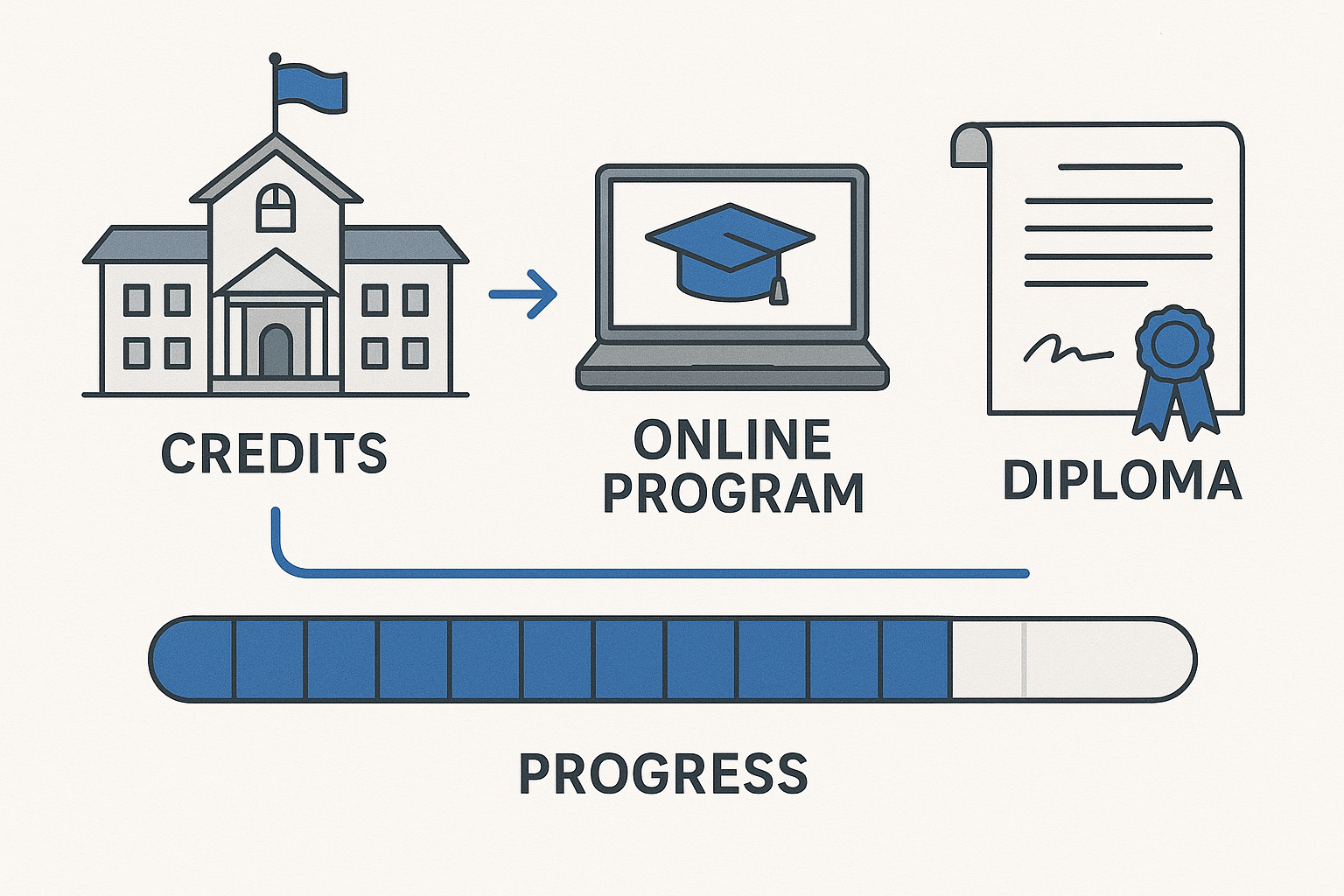
Most fully accredited programs require eighteen to twenty-four high school credits including core subjects like four English credits, three math, three science, and three social studies credits.
Credit Transfer and Credit Recovery
Students transfer credits from their previous school by submitting official transcripts for evaluation. Credit recovery programs help students retake failed courses or complete missing requirements efficiently. Many schools accept transfer credits from other schools, including summer programs, allowing students to finish early.
Enrollment Process: Step-by-Step
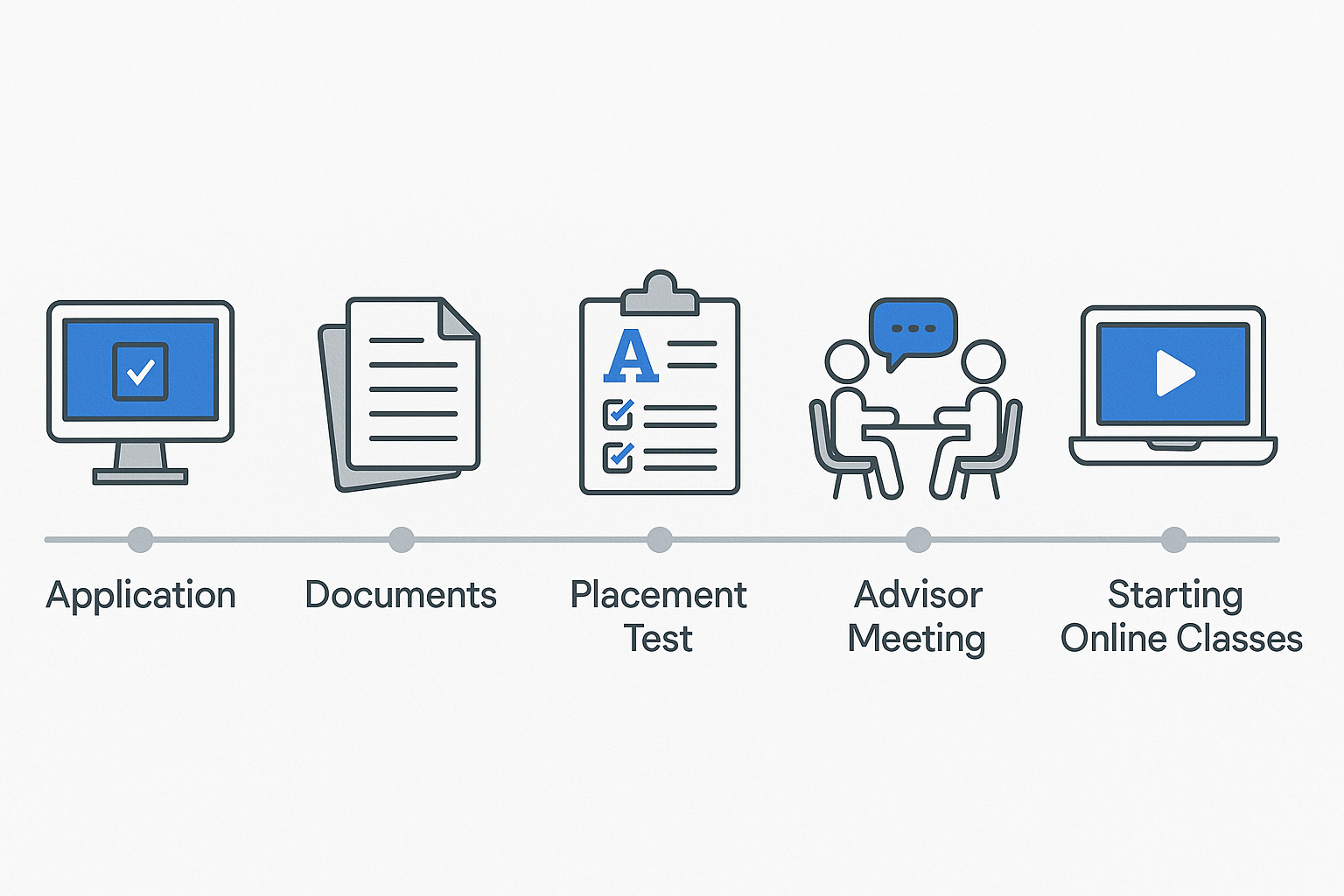
Begin by submitting an online application, providing previous transcripts, completing placement assessments, and meeting with academic advisors to create personalized graduation plans.
Documentation and Placement Tests
Required documents typically include birth certificates, immunization records, and academic transcripts from previous schools. Placement tests assess current knowledge levels in core subjects, ensuring appropriate course placement. Some programs waive testing for students with recent transcripts showing satisfactory progress.
Self-Paced vs. Structured Online High School Programs
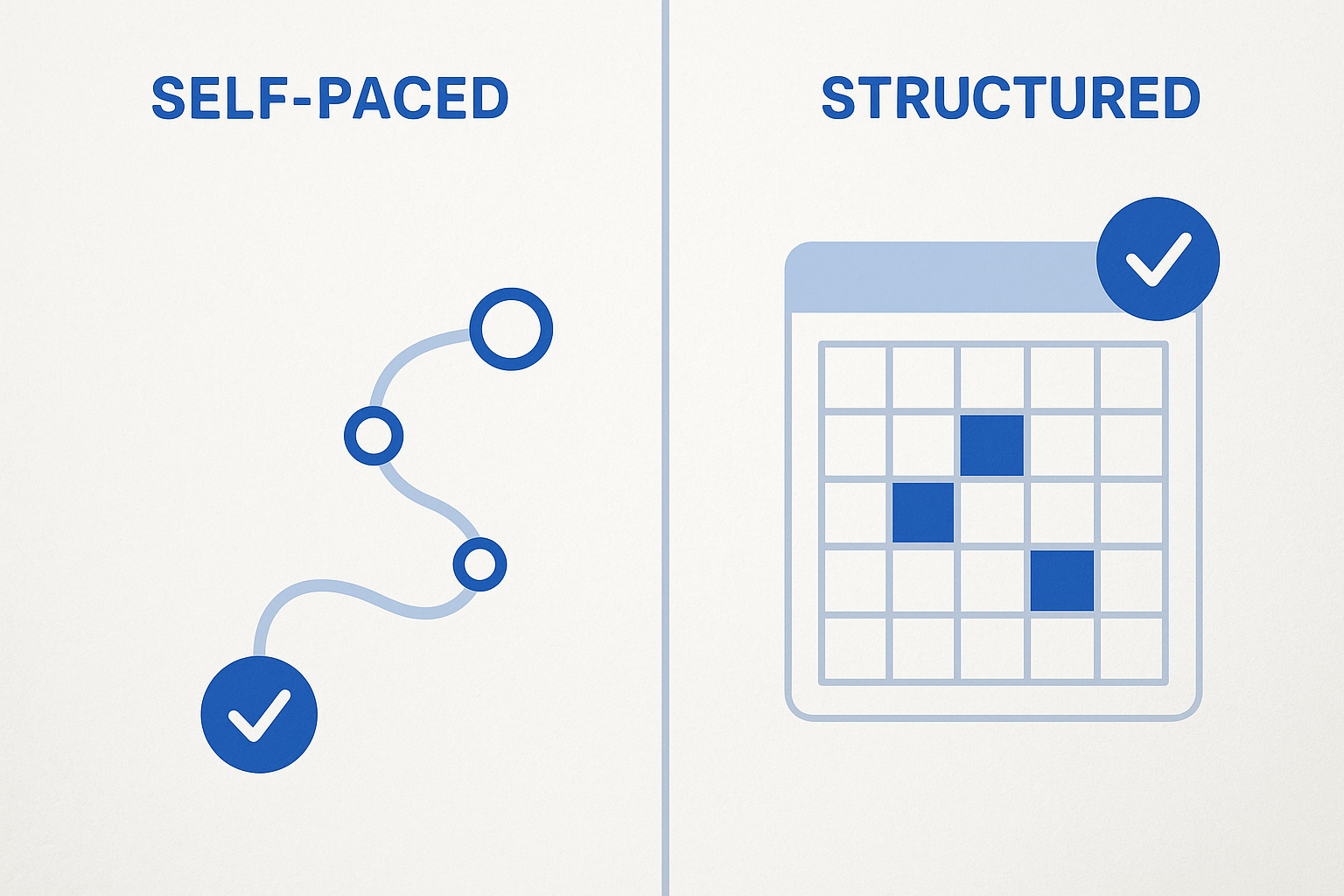
Self-paced programs allow high school students to accelerate or slow progress at their own pace based on personal needs, while structured programs follow traditional semester schedules.
Setting a Personal Study Schedule
Create dedicated study spaces, establish consistent daily learning blocks, and set weekly completion goals. Use digital calendars to track deadlines, schedule regular breaks, and maintain work-life balance. Successful students treat online high school like traditional school attendance with committed time blocks.
Role of Licensed Teachers and Academic Support
Certified teachers provide instruction, grade assignments, offer feedback, and support student learning through various digital platforms, ensuring quality high school education comparable to traditional high schools.

Communication Channels for Guidance
Students connect with teachers through video conferencing, email, discussion boards, and instant messaging platforms. Office hours provide scheduled availability during business hours for complex questions. Many high school diploma programs offer one-on-one tutoring sessions, study groups, and peer collaboration tools enhancing learning experiences and academic success.
Technology Requirements and Tools
Basic requirements include reliable internet connections, updated computers or tablets, webcams, microphones, and standard software like word processors and browsers.
Navigating the Online Learning Portal
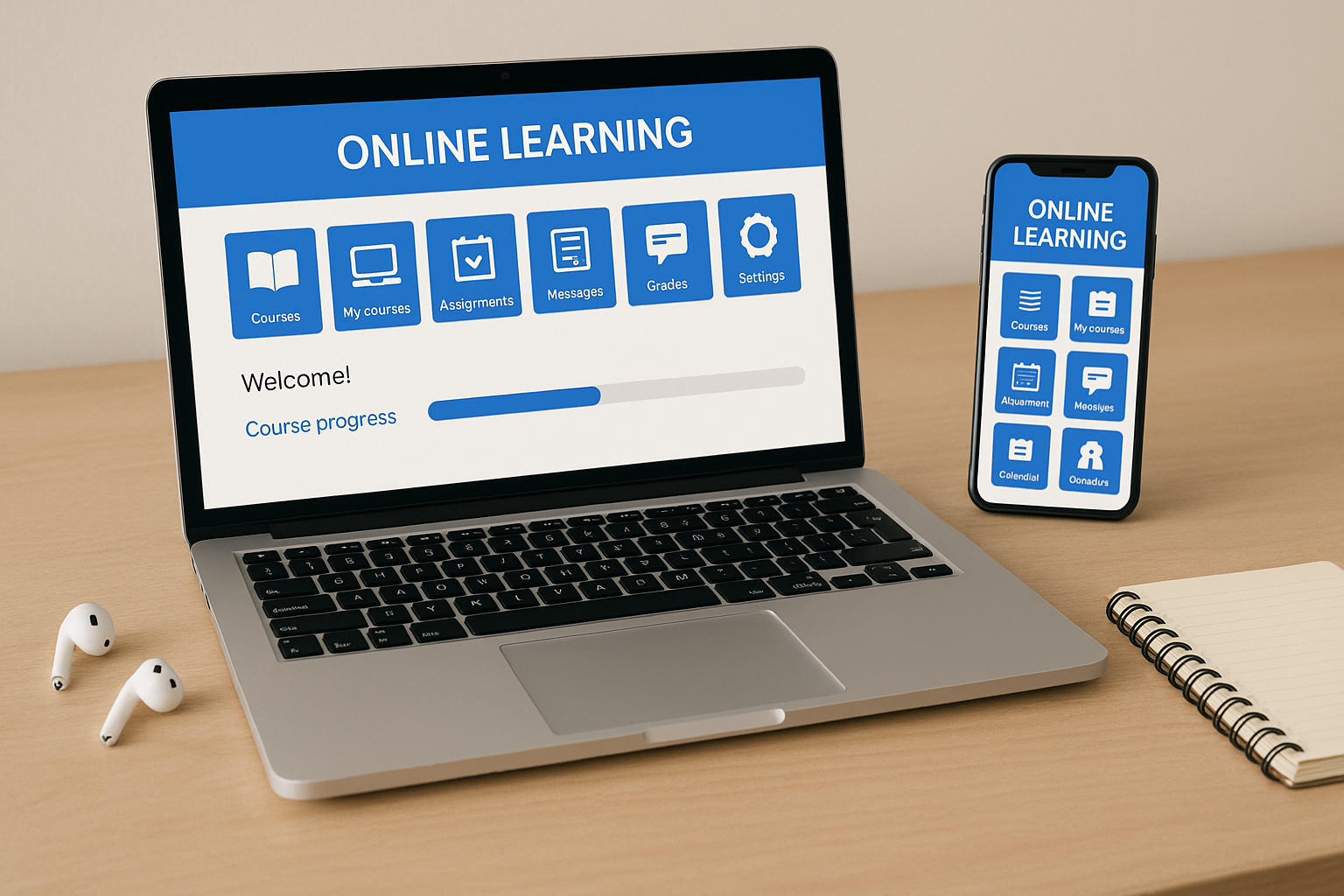
Learning management systems organize online courses, assignments, grades, and resources in centralized dashboards. Students access video lessons, submit homework, take assessments, and track progress through intuitive interfaces. Most platforms include mobile apps allowing students to learn on-the-go.
Tuition Costs and Payment Plans
Annual tuition ranges from two thousand to eight thousand dollars, with monthly payment plans making high school diploma online programs an affordable, cost-effective option for budget-conscious families.
Financial Aid and Employer Sponsorship
Some states offer voucher programs or scholarships for online high school. Working adults may access employer tuition reimbursement benefits through their parent organization. Payment assistance programs, sliding-scale fees, and military discounts reduce costs. Federal financial aid becomes available after you graduate for college enrollment.
AP, Honors, and Dual Enrollment Opportunities
Advanced Placement courses, Honors tracks, and dual enrollment opportunities with colleges allow motivated high school students to earn college credit while completing high school requirements simultaneously.
Benefits for College-Bound Students
These rigorous courses demonstrate academic readiness, potentially reduce college tuition through earned credits, and strengthen applications to competitive universities. Students entering college with credits save money and time. Advanced coursework prepares students to attend college successfully.
The Importance of Student Engagement Online
Active participation through discussion forums, group projects, and virtual events creates community connections and maintains motivation throughout online high school learning journeys.
Social Opportunities for Virtual Learners
Online clubs, virtual proms, graduation ceremonies, and social media groups connect students nationwide. Gaming clubs, book discussions, and study groups foster friendships. Many schools organize regional meetups, allowing face-to-face interactions among local students.

Comparing Online vs. Traditional High School
Online high schools offer flexibility, personalized pace, and lower costs, while traditional high school provides structured environments and immediate social interactions.
Myths and Misconceptions About Online Schooling
Critics claim online high school diplomas lack rigor, but regionally accredited programs meet identical standards as traditional high school. Social isolation concerns ignore robust virtual communities and local activities. Employers increasingly value self-discipline and technical skills demonstrated by successful online high school graduates.
Success Stories and Alumni Outcomes
Graduates report successful college admissions, career advancements, and personal growth after completing accredited online high school diploma programs that accommodated their unique needs.
Student Spotlights
Sarah, a teen athlete, earned her high school diploma online while training professionally for Olympic trials. Marcus, a single father, completed his high school diploma program nights and weekends while supporting his family. International student Ana earned her American high school diploma from Brazil before attending university.

College Entry and Scholarship Opportunities
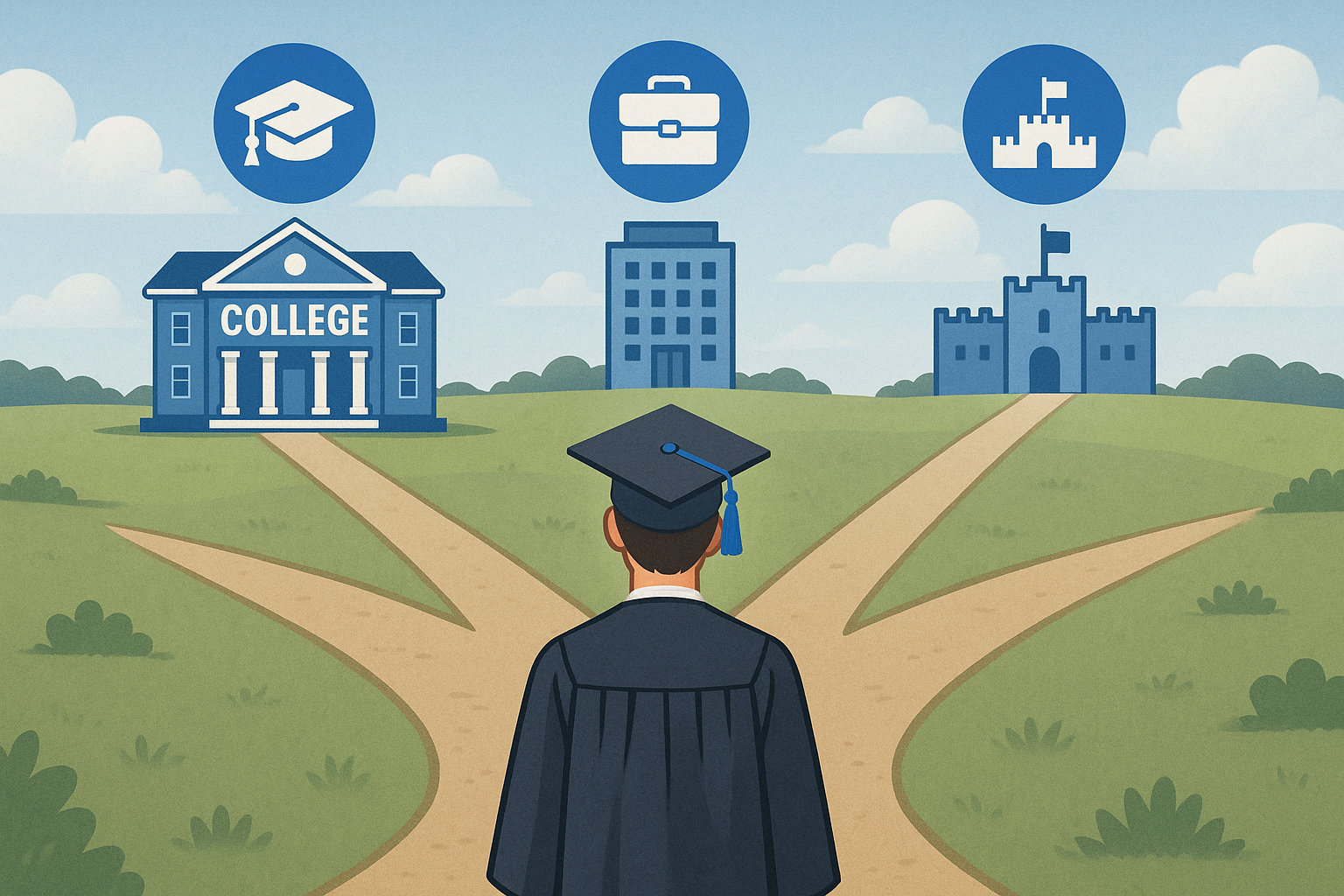
Accredited high school diplomas meet admission requirements for universities nationwide, qualifying graduates for federal aid, merit scholarships, and competitive academic programs across all disciplines.
Building a Winning College Application
Highlight self-motivation, time management skills, and technological proficiency gained through online high school. Document extracurricular activities, volunteer work, and leadership roles. Request strong recommendation letters from online teachers who know your work ethic. Emphasize unique perspectives and experiences that shaped your high school education journey.
Workforce Prospects after Earning Your High School Diploma
High school diplomas remain essential for most entry-level positions, apprenticeships, and career advancement opportunities across industries nationwide.
Employer Acceptance of Online Credentials
Major corporations, government agencies, and small businesses recognize accredited online high school diplomas equally with traditional credentials. Employers value the self-discipline, technical skills, and adaptability demonstrated by online high school success. Many appreciate the initiative shown by adult learners completing their high school education.
Military Enlistment Considerations
All military branches accept properly accredited high school diplomas for enlistment, provided schools meet Department of Defense educational standards.
Tips for Aspiring Service Members
Verify your school appears on approved lists for your chosen branch before enrolling. Maintain strong grades in your high school program to qualify for preferred positions. Consider JROTC participation if available online. Speak with recruiters early about specific requirements and opportunities.
Balancing Extracurriculars and Online High School
Flexible scheduling allows student participation in sports, arts, volunteer work, and employment while maintaining academic progress toward high school graduation.
NCAA and Sports Eligibility
Student-athletes must ensure online high school courses meet NCAA Eligibility Center requirements for core course credits. Work with school counselors to verify course approvals. Maintain required GPAs and complete standardized testing. Document all athletic participation and achievements carefully.
Special Needs and Learning Accommodations
Accredited online high schools provide individualized education plans, modified assignments, extended time, and specialized support for students with documented learning differences.
Virtual Tools for Accessibility
Screen readers, voice recognition software, closed captions, and adjustable fonts support diverse learning needs. Video lessons allow unlimited reviewing. Digital textbooks offer highlighting and note-taking features. Assistive technologies level playing fields for all learners.
Ongoing Academic Support and Counseling
Professional counselors guide course selection, college planning, career exploration, and personal challenges throughout enrollment, ensuring students receive comprehensive support beyond academics alone.
Transition Planning for Life After Graduation
Counselors help create post-graduation roadmaps including college applications, financial aid navigation, resume building, and job search strategies. Career assessments identify strengths and interests. Mock interviews prepare students for admissions or employment conversations. Alumni networks provide mentorship and networking opportunities helping recent graduates overcome challenges.
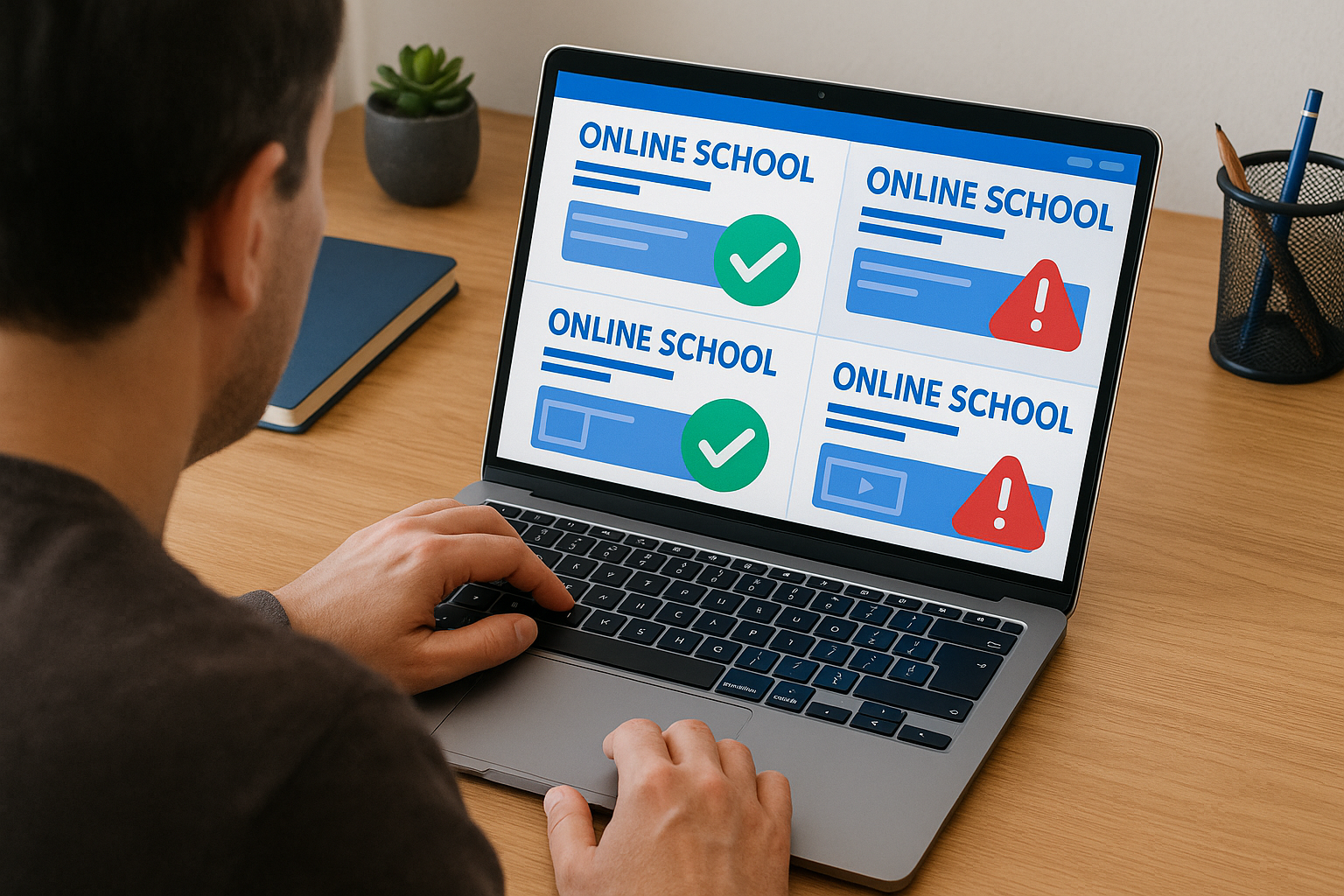
Evaluating Online High School Credibility Before You Enroll
Research accreditation status, graduation rates, student reviews, and post-graduation outcomes to identify legitimate regionally accredited programs worth your investment.
Spotting Red Flags in Unaccredited Programs
Avoid schools promising diplomas in weeks, requiring minimal coursework, or lacking transparent accreditation information. Legitimate programs require at least six months of substantial academic work, qualified teachers, and verifiable credentials. Research thoroughly, check refund policy details, and verify the Southern Association or parent organization accreditation before paying fees or sharing personal information with any institution offering to help you finish high school online.
Conclusion: Taking the Next Step Toward Your Future
Nationally accredited online high school diplomas provide legitimate, flexible paths allowing students to graduate for diverse learners seeking quality education at their own pace.
Ready to Get Started?
Contact admissions counselors at fully accredited online schools during business hours to discuss your goals, review high school diploma program options, and begin enrollment. Request information packets including refund policy details, attend virtual open houses during business hours, and speak with current students who can help you overcome challenges. Your educational journey to earn your high school diploma online and build a brighter future starts with one inquiry today—most programs allow you to enroll anytime and finish early within at least six months at your own pace through self-paced curriculum designed for both traditional students and adult learners seeking this cost-effective option.