





High School Biology: Mastering the Foundations of Life Science
High school biology opens doors to understanding life’s intricate mechanisms, from microscopic cells to vast ecosystems. This foundational science course equips students with critical thinking skills essential for navigating modern challenges in health, technology, and environmental sustainability. By exploring biological principles, high school students develop scientific literacy that extends far beyond the classroom, preparing them for diverse career paths and informed citizenship in an increasingly complex world.
Why High School Biology Matters
Biology shapes daily decisions about health, environment, and technology while cultivating critical thinking and scientific literacy essential for modern life. Career paths in healthcare, research, and environmental policy all stem from biological foundations taught in school.
Real-World Applications of Biology
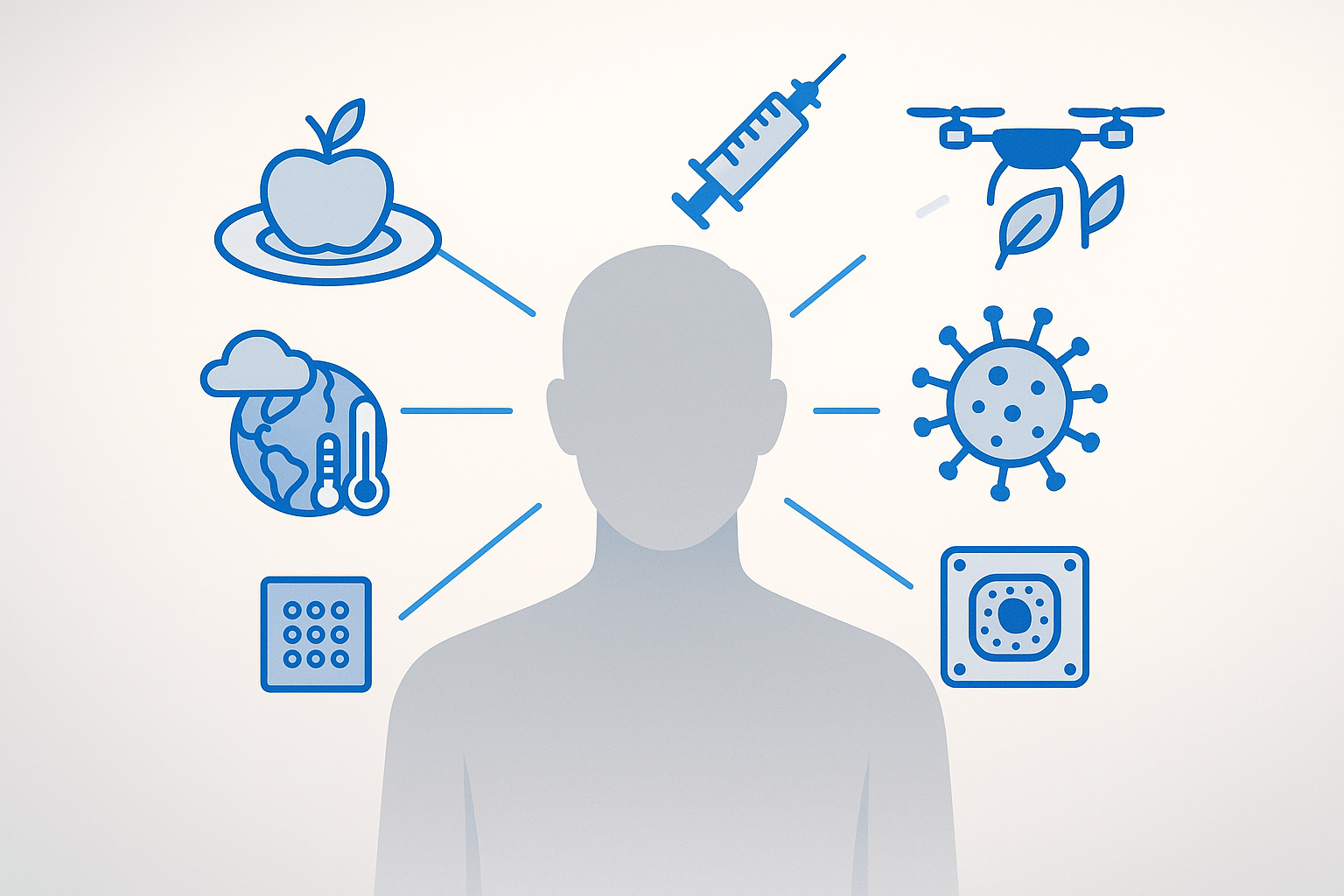
Nutrition choices, vaccination decisions, and agricultural innovations demonstrate biology’s everyday relevance. Global challenges like pandemics and climate change require biological understanding for effective solutions. High school biology classes directly connect to public health initiatives, environmental conservation efforts, and technological advances that improve quality of life across communities worldwide.
Core Topics and Learning Objectives
Major strands include cells, genetics, evolution, ecology, and biological systems, emphasizing analytical skills and conceptual understanding throughout. Mathematics and technology integration through data interpretation and bioinformatics enhances science learning depth.
Connecting to NGSS and Other Standards
Next Generation Science Standards shape lesson goals through inquiry-based science instruction and scientific method applications. Performance expectations ensure students develop investigative skills while meeting consistent nationwide benchmarks. These generation science standards promote three-dimensional learning combining disciplinary core ideas, science practices, and crosscutting biology concepts for comprehensive content mastery.
From Molecules to Organisms: Cell Biology
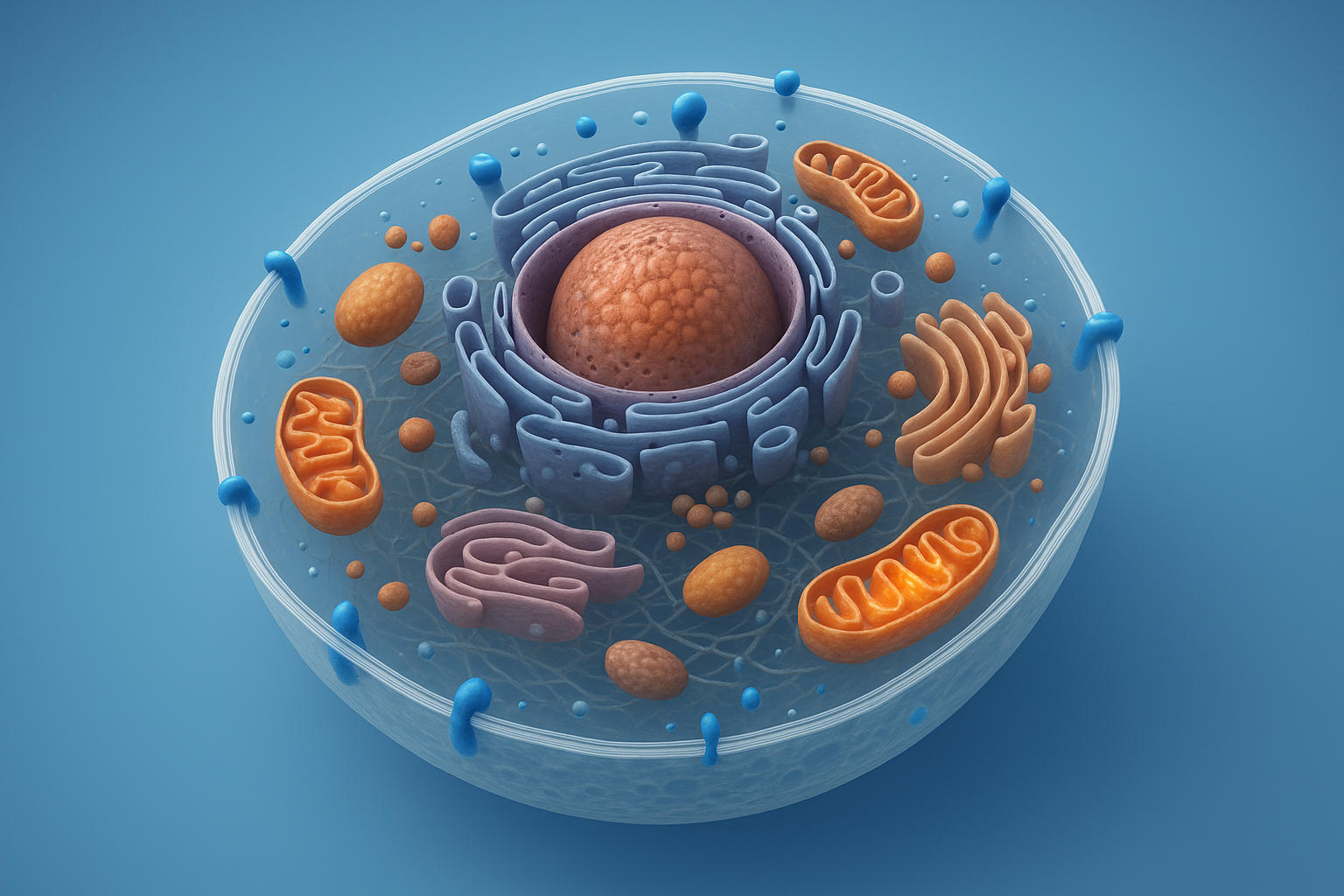
Cell structure, organelles, and functions form biology’s foundation while processes like photosynthesis, cellular respiration, and cell division reveal life’s mechanisms. Understanding organizational levels from atoms to tissues and organs connects microscopic to macroscopic biological systems.
Key Concepts in Cellular Functions
Prokaryotic cells lack membrane-bound organelles while eukaryotic cells contain specialized compartments for specific functions. Membrane transport through osmosis and diffusion maintains cellular homeostasis essential for survival. ATP serves as cellular currency, capturing and releasing energy through chemical bonding during metabolic processes including cellular respiration.
Heredity and Genetics
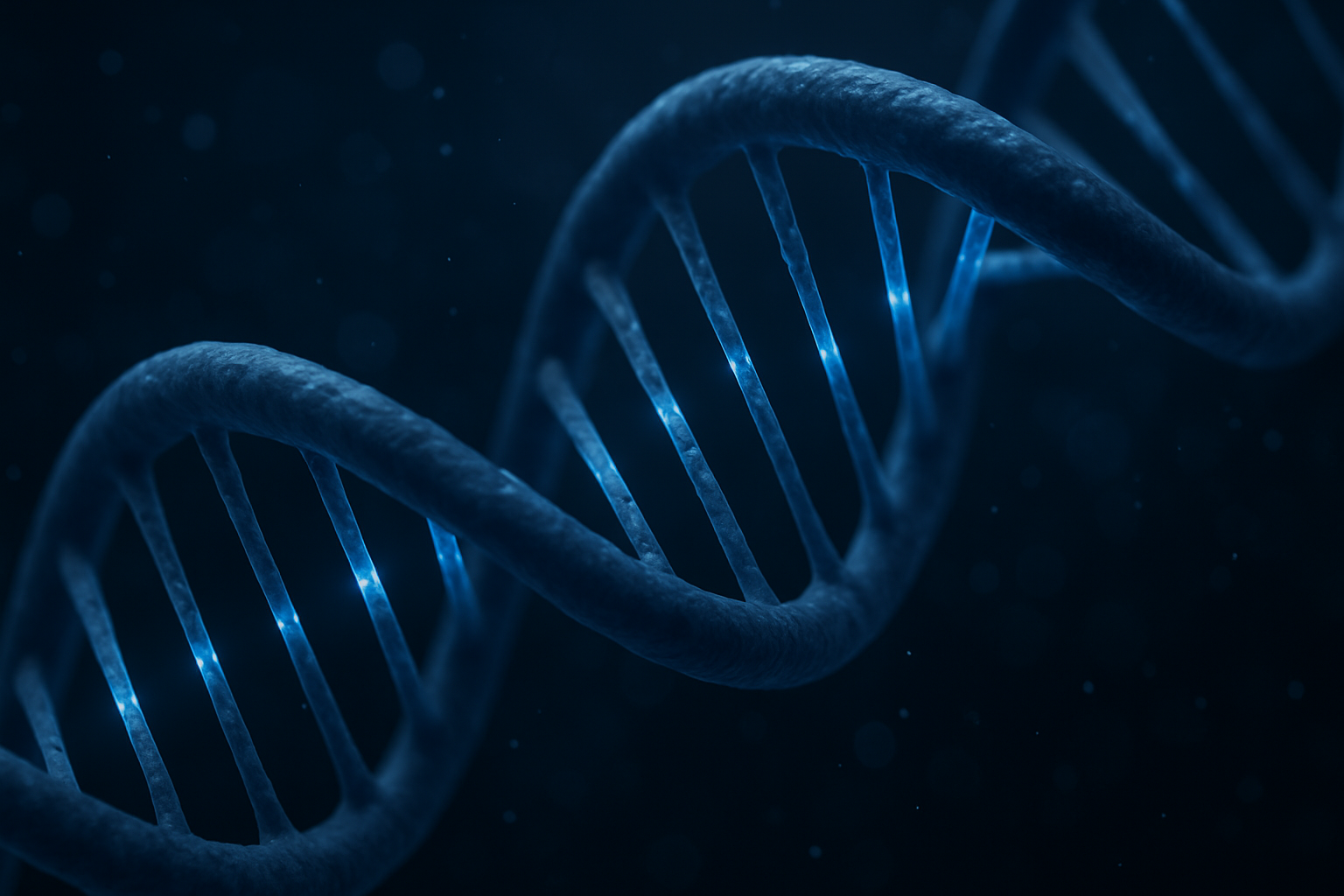
DNA structure reveals the double helix containing genetic instructions, while replication ensures faithful transmission during cell division. Chromosomes, alleles, and genes orchestrate inheritance patterns seen in genetic mutations and biotechnology innovations taught in biology.
Punnett Squares and Inheritance Patterns
Monohybrid crosses predict single trait inheritance while dihybrid crosses examine two traits simultaneously. Dominant alleles mask recessive ones, though codominance and incomplete dominance create intermediate phenotypes. Population genetics principles connect individual inheritance patterns to evolutionary changes across generations through allele frequency shifts in living systems.

Evolution: Unity and Diversity of Life
Natural selection drives adaptation and speciation through differential survival and reproduction of organisms with favorable traits. Fossil records, comparative anatomy, and biochemical evidence support evolutionary theory despite persistent misconceptions in high school biology curricula.
Natural Selection and Adaptations
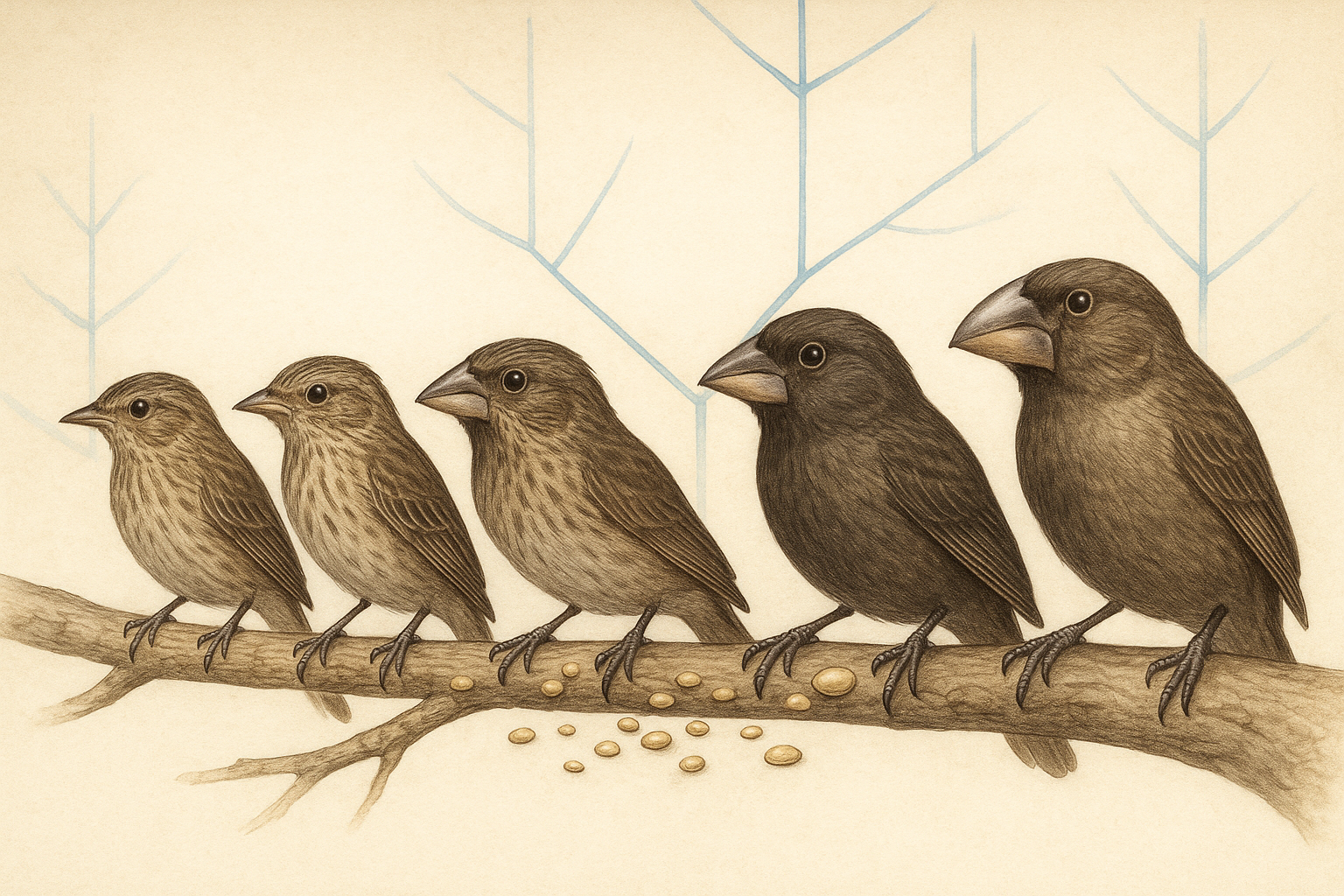
Genetic mutations introduce variation while genetic drift and gene flow redistribute alleles across populations. Antibiotic resistance and Darwin’s finches exemplify natural selection processes in action. Biodiversity conservation efforts rely on understanding evolutionary mechanisms that generate and maintain species diversity across ecosystems studied in school biology.
Ecosystems and Environmental Science
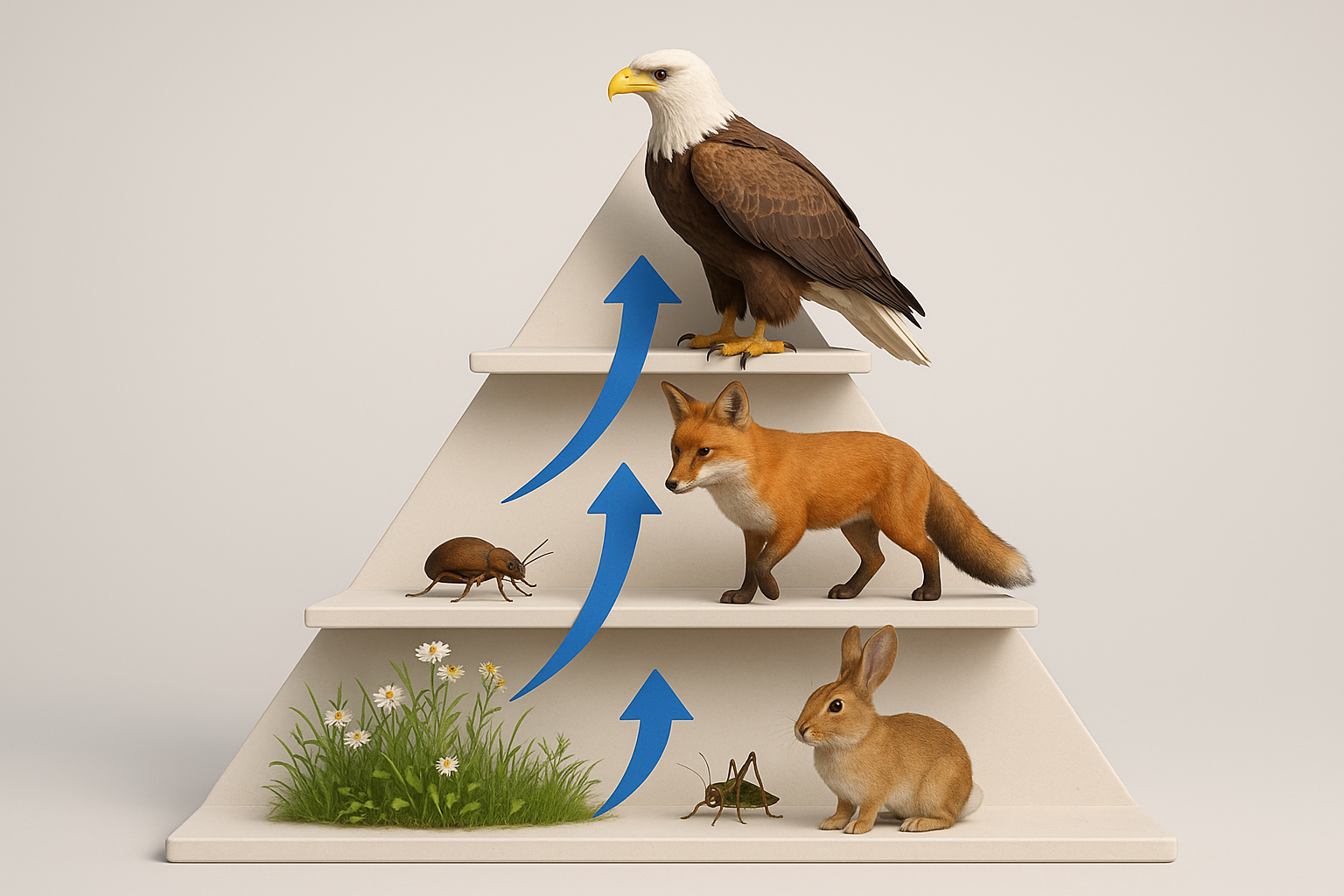
Energy flows through food chains, webs, and pyramids while matter cycles through water, carbon, and nitrogen pathways. Biotic and abiotic factors shape ecological communities through symbiosis, competition, and predator-prey relationships in living systems.
Energy Flow and Biodiversity
Trophic levels organize ecosystems from producers through various consumer levels maintaining ecological balance. Human impacts threaten habitats and accelerate species extinction risks requiring immediate attention. Conservation strategies promoting sustainable resource use protect biodiversity while meeting human needs through careful ecosystem management taught in biology courses.
Laboratory and Hands-On Learning Experiences
Experiments provide essential scientific practice and discovery opportunities while developing observation, measurement, and hypothesis testing skills. Collaborative lab activities foster teamwork and problem-solving abilities crucial for scientists’ careers.
Safety, Techniques, and Experimentation
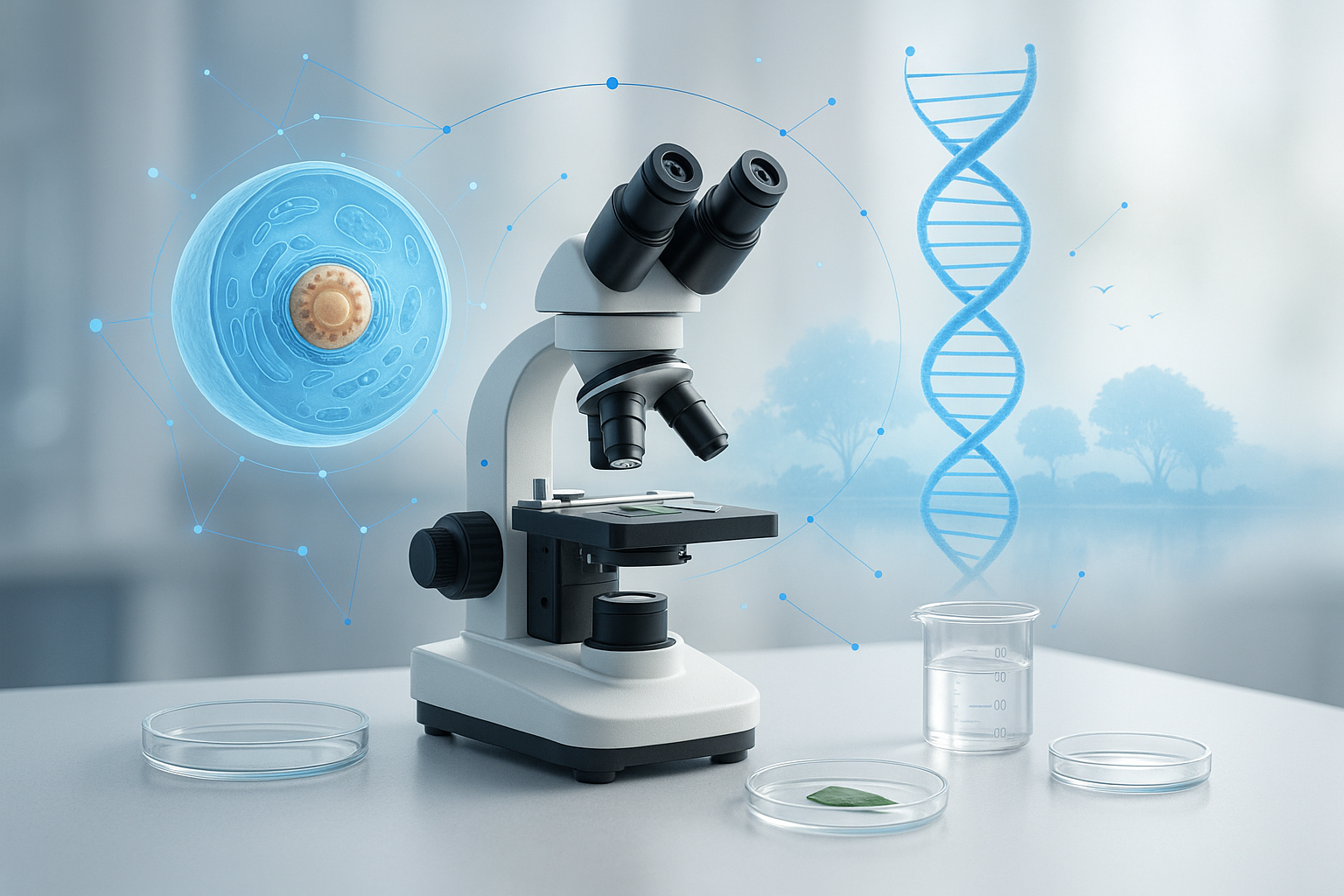
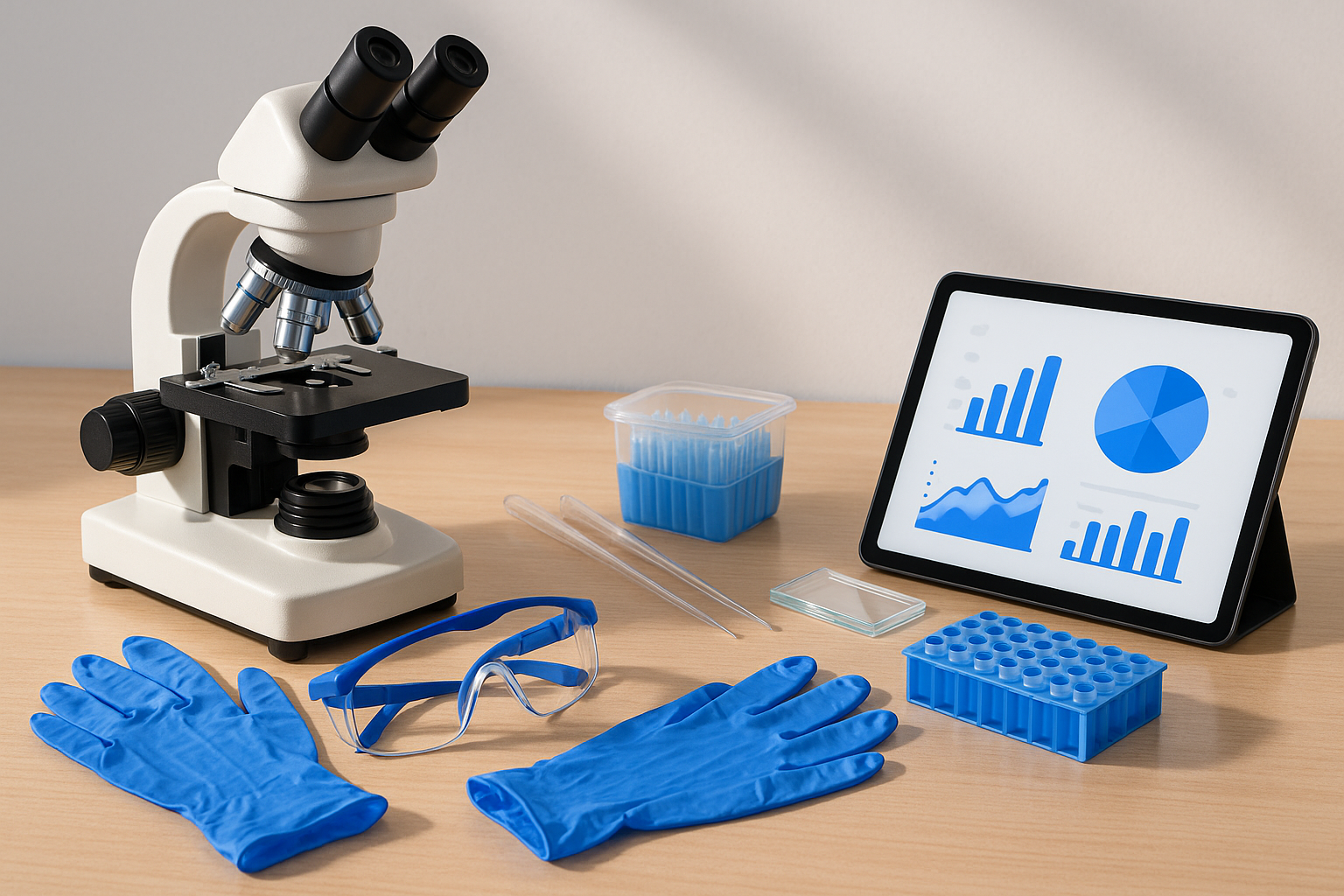
Safety protocols including goggles and proper specimen handling prevent laboratory accidents and injuries. Common labs encompass microscopic slide analysis, dissections, and molecular biology techniques introducing practical skills. Accurate data recording and valid conclusion drawing develop scientific reasoning essential for authentic research experiences in high school biology.
Essential Skills & Scientific Practices
Reading scientific literature and analyzing graphs develops information literacy while critical thinking, hypothesis design, and peer review build scientific reasoning. Communicating results through posters, essays, and presentations strengthens scientific discourse abilities for students.
Cross-Cutting Concepts
Patterns, cause-effect relationships, and stability-change dynamics appear across biological contexts requiring recognition and analysis. Systems thinking reveals how single changes cascade through organisms or ecosystems creating complex outcomes. These conceptual frameworks connect disparate biological phenomena enabling deeper understanding of life’s interconnected nature.
Bridging Biology with Other STEM Disciplines
Biology intersects with chemistry, physics, and technology creating interdisciplinary learning opportunities through bioinformatics, computational modeling, and data analysis. Real-life applications include genetic engineering, environmental testing, and biomedical research advancing human knowledge.
Interdisciplinary Projects
Science fair projects integrate robotics for data collection with chemical analysis of biological samples. Collaborative ventures link mathematical modeling and computer science to life science investigations. These integrated approaches mirror professional research environments preparing high school students for modern scientific careers.
Study Tips and Resources
Effective note-taking captures biology concepts and vocabulary while multimedia resources including videos, virtual simulations, and interactive apps reinforce learning. Test strategies for quizzes, standardized assessments, and lab practicals improve performance outcomes.
Building a Revision Schedule
Periodic review sessions reinforce cumulative biology topics preventing knowledge decay between units. Peer study groups offer collaborative learning while solitary methods suit independent learners. Flashcards target vocabulary, concept maps visualize connections, and question banks provide practice opportunities maximizing retention through varied study approaches.
Assessment and Evaluation
Assessment types include quizzes, lab reports, projects, and exams measuring different learning dimensions. Grading rubrics emphasize scientific communication skills alongside content knowledge while lab notebooks and research papers demonstrate growth.
Project-Based Learning
Students design experiments addressing real-world biological issues developing authentic research skills. Local bioblitz events generate biodiversity data while water quality analysis connects environmental science to community health. Science fair presentations and symposium participation showcase student work encouraging deeper engagement with biological research.
Addressing Common Misconceptions
Evolution theory versus fact confusion requires clarification while correlation versus causation distinctions prevent faulty reasoning. Encouraging inquisitiveness without fear creates supportive learning environments where all biology questions matter.
Critical Thinking Methods
Fact-checking using credible scientific sources prevents misinformation spread while avoiding emotional biases ensures objective analysis. Evaluating conflicting viewpoints through reason and evidence develops intellectual maturity. These skills transfer beyond high school biology classrooms preparing students for informed decision-making throughout life.
Prerequisites and Grade Level Expectations
Grade 9 or 10 placement aligns with developmental readiness while middle school science provides foundational knowledge. Basic chemistry concepts support molecular biology understanding while reading comprehension and mathematics skills enable data analysis. See our graduation requirements for details.
Teacher and Counselor Guidance
Academic performance reviews help gauge student readiness for biology coursework demands. Customized pathways including honors, standard, or remedial tracks accommodate diverse learning needs. Tutoring and after-school programs provide extra support ensuring all students access biology education successfully.
Potential Pathways After High School Biology
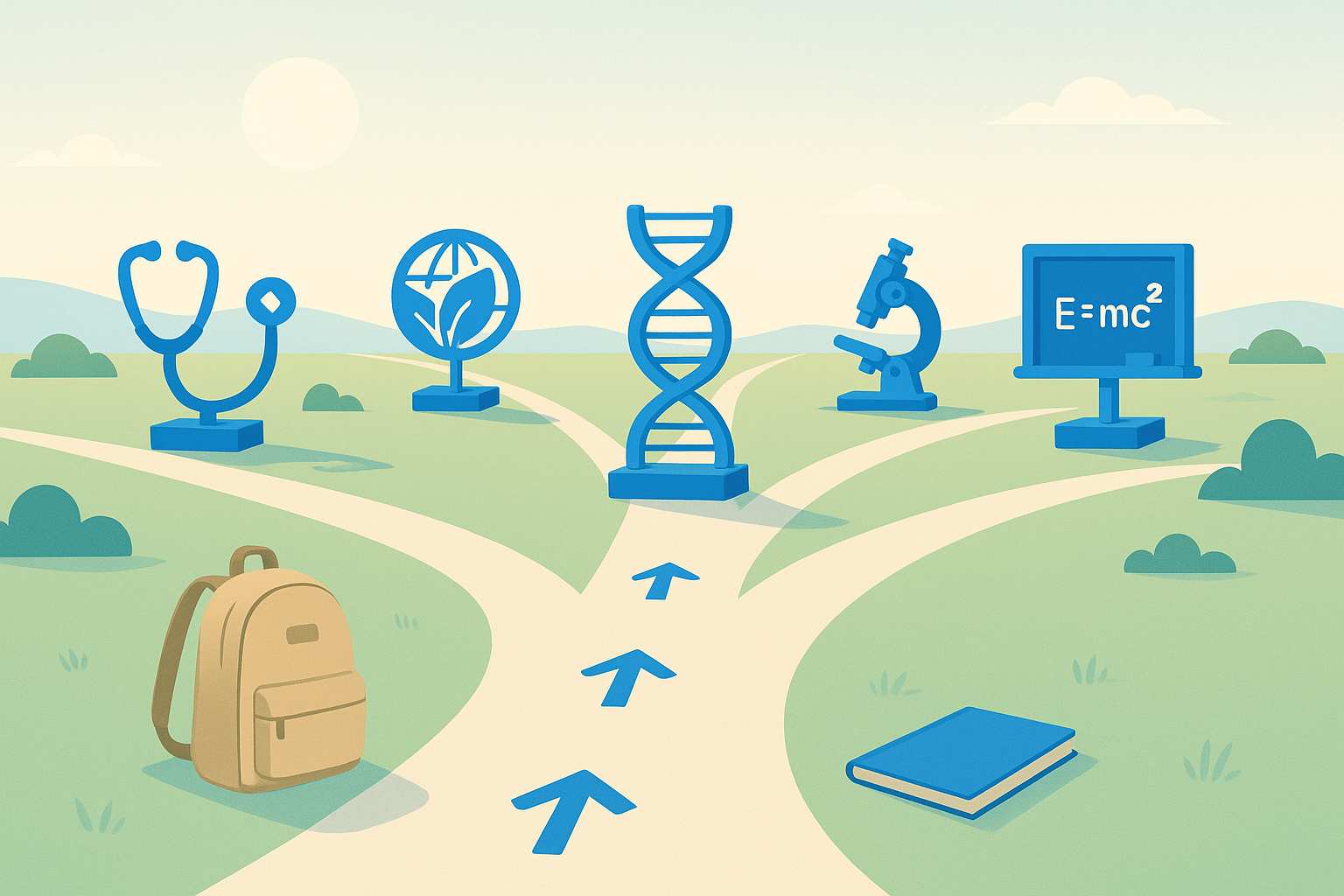
Advanced courses like AP Biology or IB Biology deepen biological understanding for college-bound students. Internships and extracurricular clubs including environmental and pre-med organizations extend learning beyond classrooms. Early college and dual-enrollment opportunities accelerate bioscience education pathways.
Connecting to Career Opportunities
Medical professions, environmental science, teaching, and biotech industries build upon biology foundations. Public policy, forensic science, and marine research roles require biological expertise. Job shadowing and volunteer experiences provide career exploration opportunities helping students identify professional interests aligned with biological sciences.
Conclusion: Embracing the Study of Life
High school biology encompasses vast territories from cellular mechanisms to ecosystem dynamics, providing comprehensive life science foundations. Students should maintain curiosity and continue experimenting, as biological discoveries constantly reshape our understanding of living things. Parents and educators must support deeper learning avenues, encouraging exploration through advanced courses, research opportunities, and real-world applications that transform classroom knowledge into lifelong scientific engagement.